
Fleet managers don’t need more hours in the day—they need fewer surprise breakdowns. The fastest path to vehicle downtime reduction is a repeatable maintenance plan backed by quick diagnostics and dependable repairs. Below, we’ll walk through practical steps you can use across light-duty and heavy-duty equipment to keep trucks, trailers, and commercial vehicles on the road.
Why Vehicle Downtime Reduction Starts With a Written Maintenance System
Vehicle downtime reduction is the process of minimizing the time a truck, trailer, or commercial vehicle is unavailable due to maintenance, repairs, inspections, or parts delays. In real terms, it means fewer missed deliveries, fewer last-minute rentals, and less overtime spent reshuffling schedules.
A written system matters because it creates consistency across drivers, routes, and seasonal work. When maintenance lives only in someone’s head, small issues (tire wear, steering play, alignment drift) turn into bigger failures.
If you’re building or tightening a program, it helps to align it with trusted local support for commercial vehicle repair in Ocean County, NJ and surrounding areas so the plan doesn’t fall apart when you need quick turnaround.
What Are the Most Effective Steps Fleet Managers Can Take to Reduce Downtime?
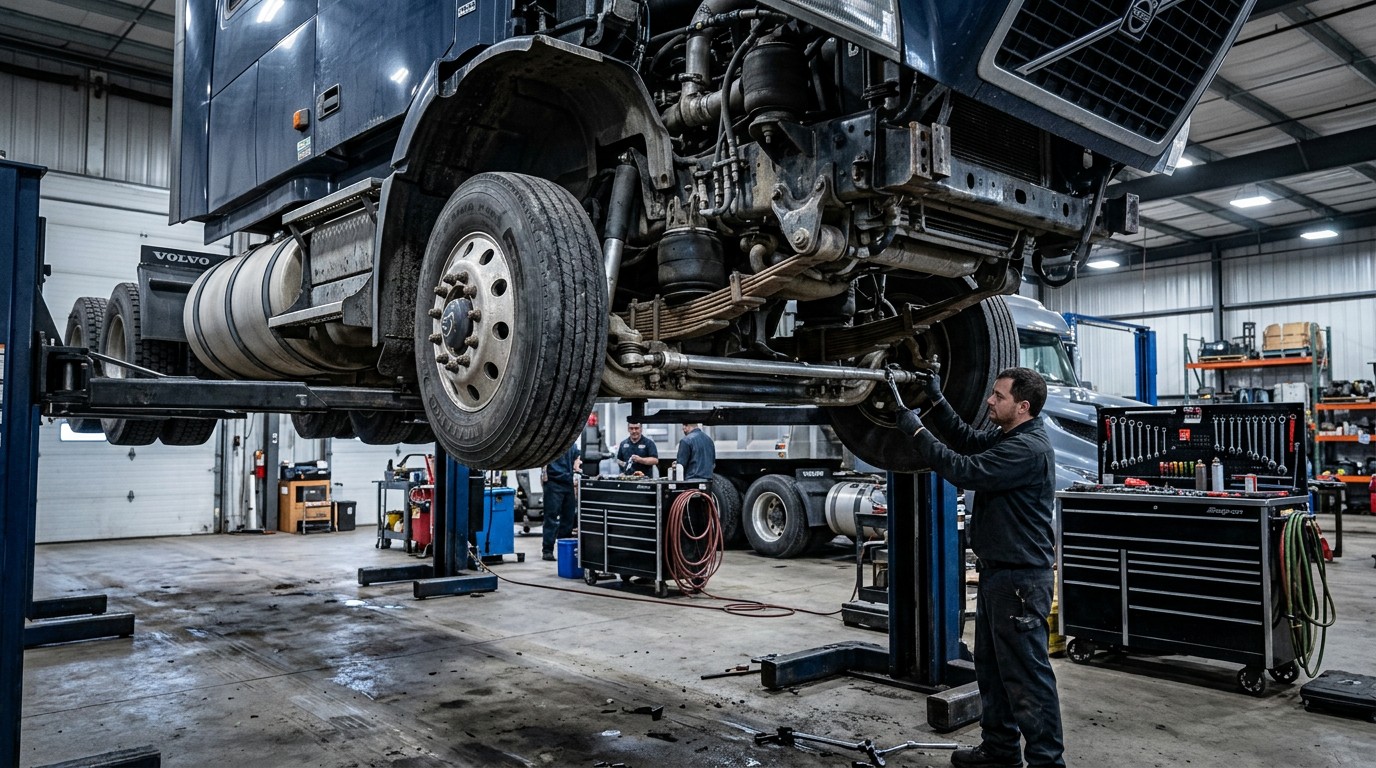
The most effective way to cut downtime is to prevent repeat failures and shorten the repair cycle when issues do happen. That usually means scheduled inspections, fast diagnosis, stocking common wear parts, and using a shop that can handle heavy-duty suspension, steering, alignment, tires, and trailer work under one roof. Consistency beats heroics.
From there, the details matter. Here’s a practical checklist fleet managers can implement immediately:
- Set service intervals by duty cycle (stop-and-go, highway, off-road, salt exposure), not just mileage.
- Track “early indicators” like uneven tire wear, vibration, pulling, or air loss.
- Standardize driver DVIR notes so you can spot patterns across units.
- Pre-authorize common repairs to avoid approval delays.
- Build a relationship with a shop that offers truck repair in Monmouth County, NJ and can prioritize working vehicles.
For fleets that operate across Central Jersey, combining preventive checks with responsive truck repair NJ support is often what keeps a minor issue from turning into a multi-day interruption.
Set Up Preventive Maintenance Around the Failures That Actually Stop Trucks
Not all maintenance items are equal. Filters and fluids matter, but the issues that strand vehicles or create safety concerns often show up in suspension, steering, alignment, tires, and trailer components.
If you manage mixed equipment, build your PM schedule around these “downtime drivers”:
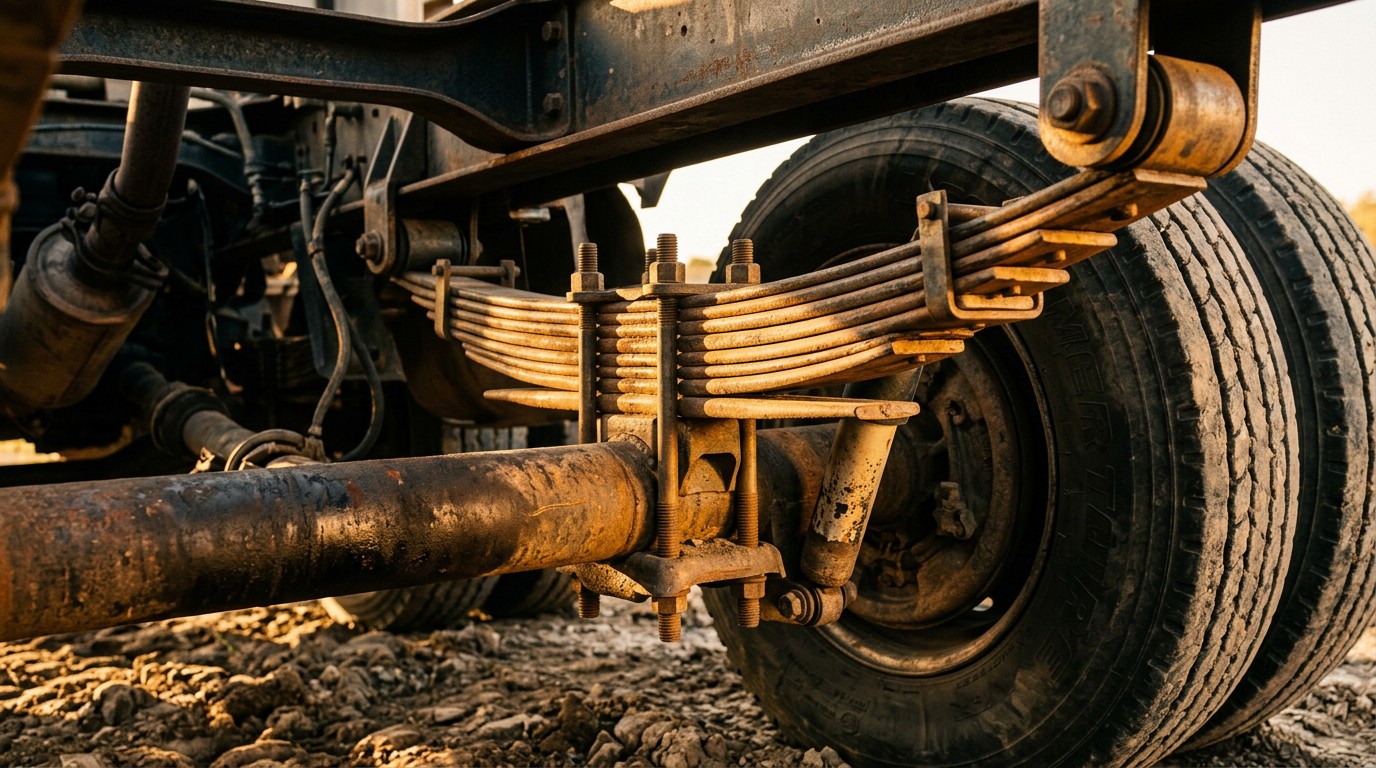
- Suspension wear (leaf springs, bushings, U-bolts, shackles)
- Steering looseness and front-end play
- Alignment drift leading to rapid tire wear
- Tire damage and irregular wear patterns
- Trailer electrical/brake/suspension issues
When you plan service with a shop that handles heavy duty truck repair, you can schedule these inspections before peak season instead of reacting during it.
How Often Should Fleet Vehicles Get Inspected in Central Jersey Conditions?
Inspection frequency depends on use, load, and environment. In Central Jersey, salt, potholes, construction routes, and seasonal shifts can speed up wear on tires, alignment, and steering.
As a starting point, many fleets use a tiered approach:
- Daily: driver walkaround (tires, lights, visible leaks, obvious pull/vibration notes)
- Weekly: tire pressure and tread checks, quick visual on suspension and trailer connections
- Monthly or every 5,000–10,000 miles: alignment and steering evaluation if wear indicators show up
- Quarterly: deeper undercarriage inspection based on route severity
If you’re seeing uneven wear or repeated steering complaints, it may be time to prioritize truck alignment near me checks and steering inspections rather than waiting for the next scheduled interval.
Use Tire Wear as an Early Warning System (It’s Cheaper Than a Breakdown)
Tires tell the truth about what’s happening under the vehicle. Cupping, feathering, and edge wear often point to alignment, suspension, or steering problems that can quietly eat budgets—then suddenly become downtime.
Build a simple tire-wear process:
- Photograph and log irregular wear by position (LF, RF, drive, trailer)
- Record tread depth across inner/center/outer
- Tag repeat issues by unit number to catch patterns
When wear points to front-end issues, pairing tire service with steering repair truck and alignment checks can prevent blowouts, rapid replacements, and “mystery vibrations” that sideline drivers.
Plan Repairs to Shorten “Time to Diagnosis” and “Time to Parts”
Downtime is rarely just wrench time. It’s also the lag between symptom and diagnosis, and the delay between diagnosis and parts.
To reduce that lag:
- Require drivers to report symptoms with context (speed, load, road type, when it started).
- Keep a short list of approved vendors for common wear parts.
- Stock high-failure items that fit your most common units (filters, belts, common suspension hardware).
- Centralize service history so technicians don’t waste time re-learning the same unit’s issues.
When your fleet partner also provides truck and trailer parts supply alongside repair, that can reduce the back-and-forth that stretches a one-day job into a multi-day delay.
Where Do Fleets Lose the Most Time: Suspension, Alignment, or Trailers?
For many working fleets, trailers are a big downtime multiplier because one bad trailer can stall an otherwise healthy truck. Suspension and alignment problems often show up earlier as tire wear and handling complaints, while trailer issues can create immediate “out of service” situations.
Common time-wasters we see fleets deal with include:
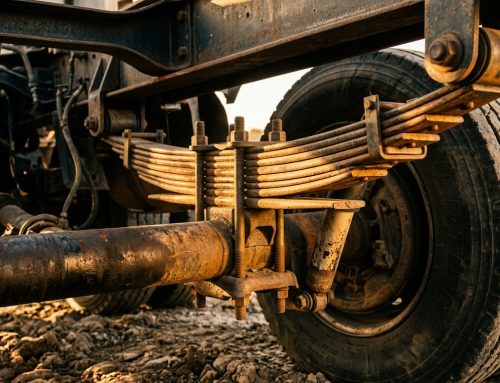
- Leaf spring cracks or sag that create unsafe ride height
- Loose steering components that cause wandering or vibration
- Alignment drift after curb hits, potholes, or heavy loads
- Trailer suspension damage that accelerates tire wear and affects tracking
If your operation runs multiple trailers per tractor, it’s worth scheduling proactive trailer repair NJ inspections and prioritizing truck suspension repair before peak weeks when every spare unit is already spoken for.
Build a “Repair Triage” Process So Minor Problems Don’t Become Major Downtime
Not every issue needs the same response. A triage system helps you decide what gets pulled immediately and what can be scheduled without disrupting routes.
Try categorizing issues like this:
- Red (park it): brake concerns, severe steering play, major leaks, blowouts, safety-critical trailer problems
- Yellow (schedule within 7 days): alignment pull, vibration, uneven wear, minor leaks, suspension noise
- Green (monitor): cosmetic damage, non-critical cab concerns
When yellow items involve chassis handling, planning quick appointments for leaf spring repair or steering checks can keep them from turning red at the worst time.
How Fleet Maintenance in Wall, NJ Helps Reduce Breakdowns Across Monmouth and Ocean Counties
Local support matters because breakdowns aren’t scheduled. When a fleet relies on nearby, capable repair for trucks, trailers, and commercial vehicles, you reduce towing distance, shorten wait times, and keep communication simple.
A shop experienced in commercial truck repair can also help you standardize what “good” looks like across the fleet—recommended replacement thresholds, common failure points by vehicle type, and inspection routines that match your routes.
If you manage mixed vehicles (including RVs used for work or transport), it can be helpful to include RV suspension repair considerations in your planning, since ride issues and wear patterns often overlap with truck suspension challenges.
Next Steps: Turn These Downtime Ideas Into a Simple, Repeatable Plan
If you want real vehicle downtime reduction, start small and make it repeatable: tighten your inspection cadence, use tire wear as a signal, and triage issues before they strand equipment. Then partner with a shop that can handle the heavy-duty work quickly—suspension, steering, alignment, tires, and trailers—so your fleet isn’t juggling multiple vendors.
To talk through a maintenance schedule or get help with fleet maintenance in Wall, NJ and surrounding areas, call R&H Spring and Truck Repair at 732-681-9000 or reach out through our contact us page. If you’re currently dealing with a sidelined unit, we can also help you plan the fastest path back to service with dependable heavy duty truck repair support.
Common Questions About Reducing Fleet Downtime in Monmouth and Ocean County, NJ
What maintenance items most directly impact vehicle downtime reduction?
Items that affect safety and drivability tend to cause the most downtime: tires, steering, alignment, suspension, and trailer components. Catching uneven wear early and scheduling truck alignment near me and steering inspections can prevent blowouts, handling issues, and out-of-service violations that stop work immediately.
How do I know if a truck needs steering repair before it breaks down?
Common warning signs include wandering, pulling, clunking over bumps, steering wheel vibration, uneven front tire wear, or a need for constant corrections. If these show up, schedule a check for steering repair truck and suspension wear. Addressing it early is usually faster and less disruptive than waiting for a failure.
Is preventive fleet maintenance in Wall, NJ worth it for smaller fleets?
Yes. Smaller fleets often feel downtime more sharply because there are fewer backup units. A simple schedule—driver walkarounds, routine tire checks, and periodic suspension and alignment inspections—helps avoid surprise breakdowns. Partnering locally for truck repair in Monmouth County, NJ can also shorten turnaround when repairs are needed.
What causes repeat trailer issues that keep units in the shop?
Repeat trailer downtime often comes from missed inspection details: worn suspension parts, brake or wiring problems, and tire wear caused by poor tracking. Regular, documented inspections and addressing small suspension issues early can reduce repeat visits. For recurring problems, schedule a targeted trailer repair NJ evaluation to find the root cause.
How can fleets reduce downtime when parts are hard to get?
Focus on shortening the decision and ordering cycle. Pre-approve common repairs, standardize parts across the fleet where possible, and stock the most common wear items for your units. Working with a provider that supports truck and trailer parts supply can also help reduce delays between diagnosis and installation.