Weather in Central Jersey can be tough on work trucks, trailers, and RVs, and it often shows up first in ride quality, steering feel, and uneven tire wear. If you’re scheduling truck suspension repair in Wall, NJ, understanding how heat, cold, rain, and road salt affect your suspension can help you prevent breakdowns and reduce downtime.
Below, we break down what weather does to the parts that keep your vehicle stable, what symptoms to watch for, and when an inspection makes sense.
Why Does Weather Impact Suspension Parts So Much?
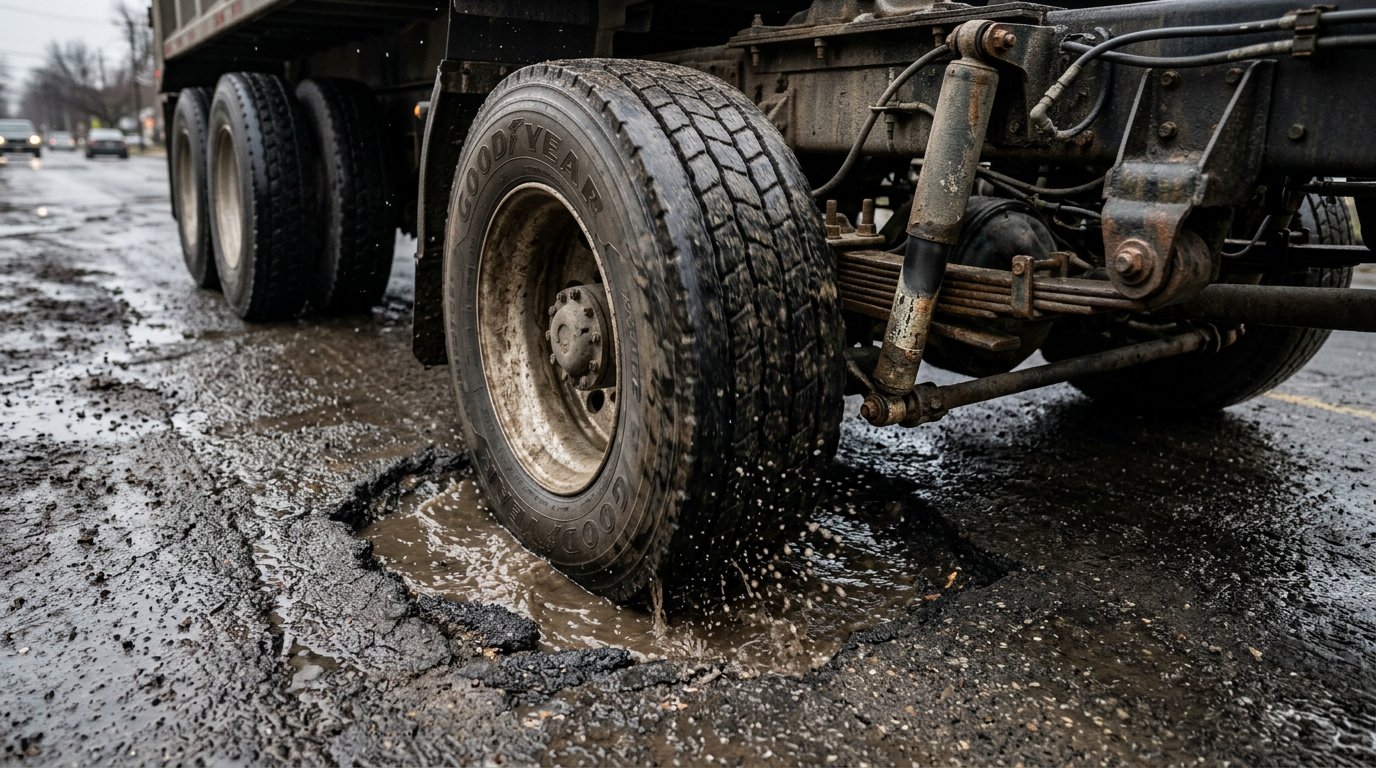
Weather impact on truck suspension comes down to moisture, temperature swings, and road conditions. Water and salt speed up corrosion, heat can accelerate rubber and bushing wear, and freezing temperatures can stiffen components and expose weak points. Add potholes from winter freeze-thaw cycles, and suspension systems in NJ take a beating.
Truck suspension systems are the set of components that support vehicle weight, absorb road shock, and keep tires planted for safe handling. On heavy-duty trucks and loaded trailers, that job is harder—and seasonal road hazards make it even tougher.
What Weather-Related Problems Most Often Lead to Suspension Repairs?
Most weather-driven suspension issues aren’t caused by a single storm or hot day—they build over time. A small tear in a bushing, a little rust at a mounting point, or one hard pothole hit can turn into looseness, misalignment, or premature tire wear.
If you’re seeing symptoms, it’s smart to start with an inspection through a shop that handles steering and suspension services for heavy-duty vehicles and fleets.
- Corrosion on U-bolts, shackles, hangers, and spring mounts
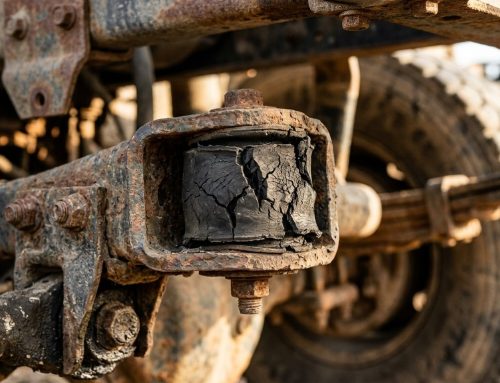
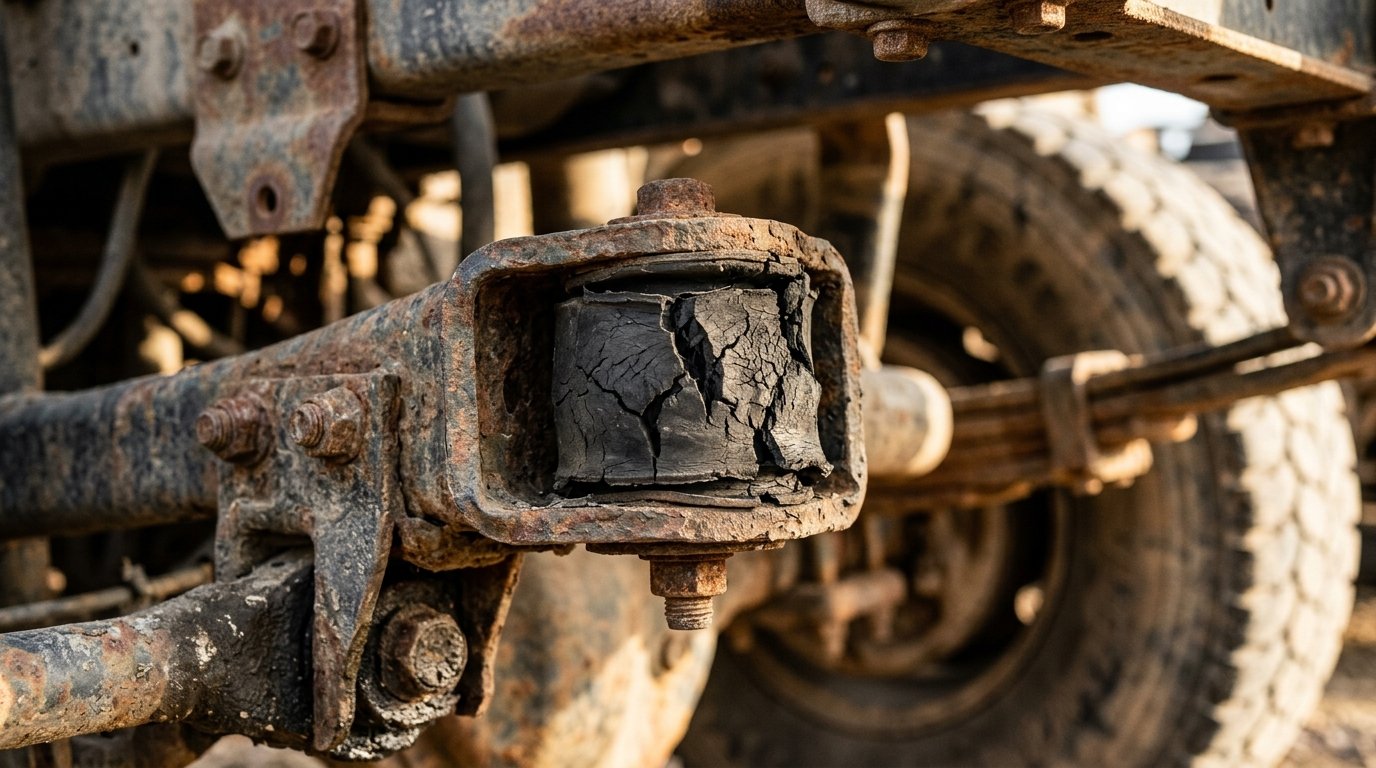
- Cracked or dry-rotted bushings from heat and age
- Shock wear or leaks after repeated harsh-road impacts
- Loose steering/suspension linkage that shows up as wander or pull
- Alignment changes after potholes and curb strikes
How Does Winter Salt and Brine Affect Leaf Springs, Hardware, and Mounts?
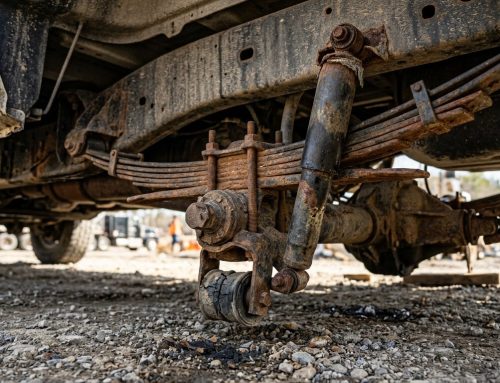
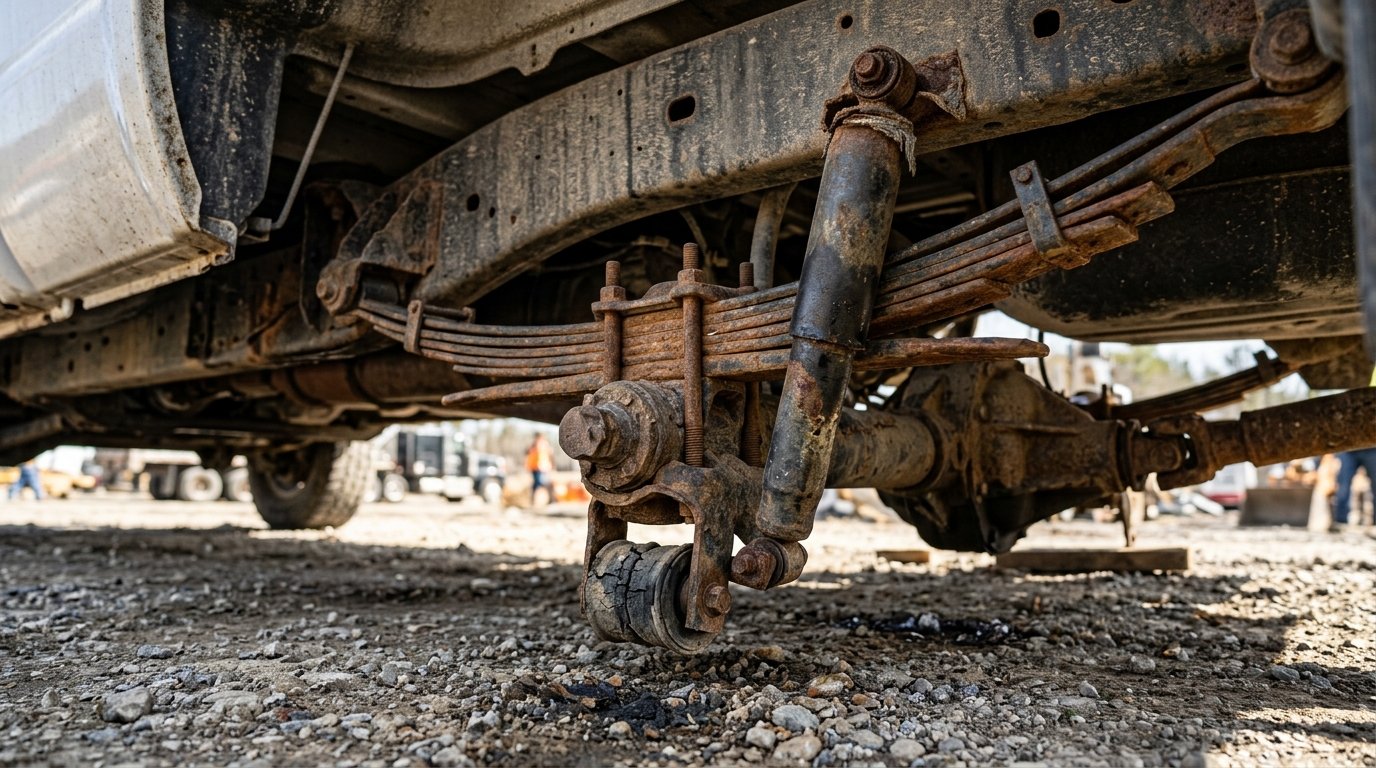
Road salt and brine cling to metal surfaces and work into seams and joints, accelerating rust. Over time, corrosion can weaken spring packs, seize hardware, and damage mounting points—especially on trucks and trailers that run daily and don’t get frequent undercarriage rinses.
If your vehicle relies on leaf springs, winter is a common season for leaf spring issues to surface. You can also learn more about steering-related warning signs in does your commercial truck need steering repair NJ, since steering and suspension problems often show up together after harsh weather and rough roads.
Winter symptoms that shouldn’t be ignored
- Clunking over bumps (often worn bushings or loose hardware)
- Rear-end sag under load (possible spring fatigue or breakage)
- Uneven tire wear after a pothole hit (alignment shift)
- Vehicle feels “skittish” on rough, cold pavement (shock wear or stiffness)
Does Extreme Heat Cause Suspension Wear in Summer?
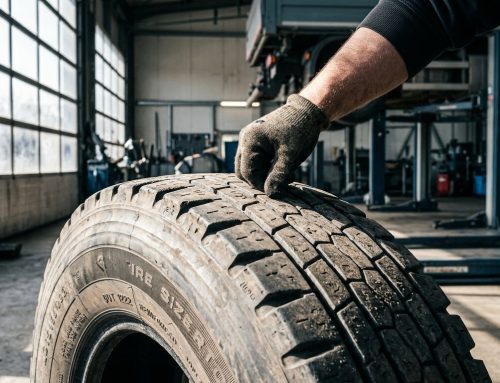
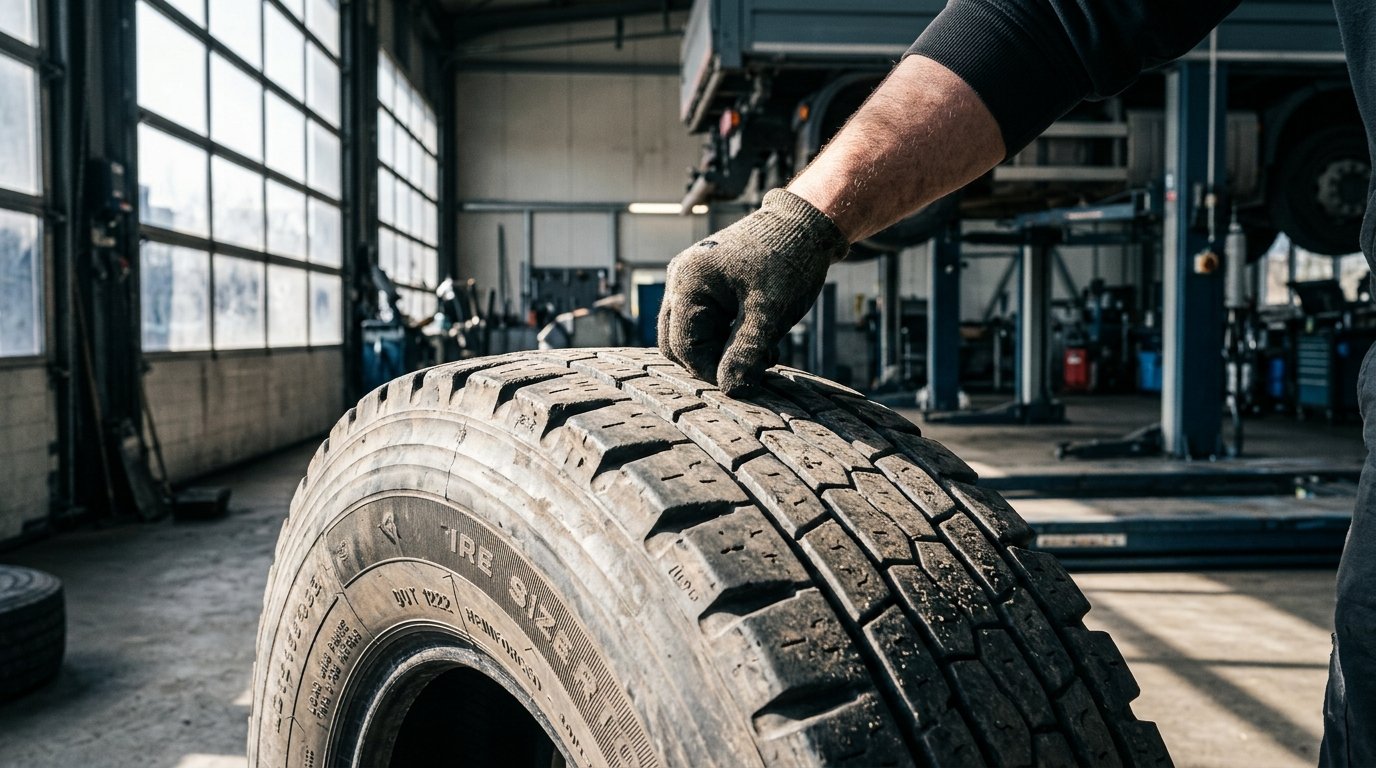
Yes—heat speeds up aging in rubber components like bushings and can stress shocks and dampers during long hauls. High pavement temperatures can also magnify tire-related issues that feel like suspension problems (vibration, cupping, or uneven wear).
Because tires and suspension work as a system, summer is a good time to check condition and inflation and consider a review of tire services for trucks and commercial vehicles if you’re noticing new vibration or irregular wear.
When Should You Get an Alignment After Bad Weather or Potholes?
After hitting a significant pothole, curb, or road debris—or if your truck starts pulling, the steering wheel is off-center, or tires begin wearing unevenly—you should schedule an alignment check soon. Even a small change in alignment can scrub tires fast on heavy vehicles and make handling less predictable in rain or snow.
For drivers looking for truck alignment in Monmouth County, NJ, regular checks are especially valuable after winter when potholes and road edge drop-offs are at their worst. If you suspect a change, start with professional truck alignment services so you can catch issues before they turn into bigger suspension repairs.
How Rain and Flooded Roads Create Hidden Suspension Damage
Rain doesn’t just reduce traction—it can hide hazards. Standing water masks potholes and broken pavement edges, leading to sudden impacts that bend or loosen parts. Water can also contaminate greased joints and accelerate corrosion if the undercarriage stays wet.
If you operate trailers, work routes near low-lying roads, or frequently drive in heavy rain, it’s worth adding periodic checks for looseness, worn bushings, and early rust—especially around mounts and crossmembers.
What’s Different About Weather Impact on RV Suspension and Ride Comfort?
RVs often sit for long periods, then run loaded for trips—so weather can affect them differently than daily work trucks. Temperature swings and storage conditions can dry out bushings, flatten or fatigue springs, and lead to ride issues that only show up once you’re back on the road.
If you’re considering ride-quality upgrades or need service for RV suspension repair in Ocean County, NJ, it can help to understand modern options like liquid spring suspension systems, especially for RV owners focused on comfort, stability, and handling.
Seasonal Checklist: What We Recommend Monitoring in Central Jersey
If you’re managing a fleet or relying on one truck to keep jobs moving, prevention is usually cheaper than a breakdown. Here’s a practical seasonal checklist you can use to spot issues early.
Late winter / early spring (pothole season)
- Check for new pulls, steering wheel changes, and tire wear
- Inspect shocks, bushings, and spring mounts for looseness
- Look for rust scaling around brackets and hardware
Summer (heat + heavy loads)
- Watch for vibration, bounce, or harsher ride
- Inspect bushings for cracking and dry rot
- Confirm tires aren’t masking a suspension issue
Fall (prep before salt season)
- Address minor clunks and looseness before winter
- Consider a baseline alignment before rough conditions return
- Plan parts replacement proactively to reduce downtime
When Weather-Driven Issues Turn Into Heavy Duty Truck Repair in NJ
Sometimes weather exposes more than normal wear—it reveals a problem that affects safety or reliability. If you’re seeing rapid tire wear, noticeable drift or wander, sagging under load, or repeated bottoming out, it may be time for more comprehensive heavy duty truck repair in NJ rather than a quick adjustment.
In many cases, the fix is straightforward once the root cause is identified: worn bushings, damaged leaf springs, loose hardware, shock failure, or an alignment that’s been off since a pothole impact. If you need parts as part of the repair plan, it may also help to review truck and trailer parts supply options to keep repairs moving quickly.
Get Help Before Small Suspension Problems Turn Into Downtime
If you’re noticing pulling, clunking, uneven tire wear, sagging, or a rougher ride after a stretch of bad weather, it’s worth getting your suspension and alignment checked sooner rather than later. To talk through symptoms or schedule service, call 732-681-9000 or reach out through the contact us page. You can also learn more about who we are and how we work on heavy-duty vehicles on our story.
Common Questions About Weather-Related Suspension and Alignment Issues in NJ
Can cold weather cause my truck suspension to feel stiffer?
Yes. Cold temperatures can make rubber bushings and certain dampening components less flexible, which can translate into a stiffer ride and more noticeable noise over bumps. If the stiffness is sudden or paired with clunking, pulling, or uneven wear, an inspection can determine whether wear or looseness is developing.
How do I know if I need truck suspension repair in Wall, NJ after hitting a pothole?
Watch for pulling, a crooked steering wheel, new vibration, clunks over bumps, or a change in ride height. A pothole can knock alignment out or damage suspension hardware even if nothing looks obviously broken. If symptoms start right after an impact, it’s smart to schedule a check promptly.
Does weather impact on truck suspension show up as tire wear?
Often, yes. Corrosion, worn bushings, or looseness can let alignment angles drift, and pothole hits can push alignment out of spec. That frequently shows up as feathering, cupping, or uneven tread wear. Catching it early can extend tire life and reduce the risk of handling problems in rain or snow.
Is an alignment enough, or do I need steering and suspension work too?
It depends on what caused the change. If suspension or steering parts are worn or loose, an alignment may not “hold” and tire wear can return quickly. A proper diagnosis checks for play in components first, then aligns the vehicle once parts are secure and within spec.
What’s a smart maintenance schedule for fleet trucks dealing with NJ weather?
For many fleets, seasonal inspections work well: once after winter pothole season and once before winter starts. High-mileage routes or heavy loads may need more frequent checks for steering, suspension, and alignment. Consistent inspections reduce surprise downtime and make repairs more predictable.