Suspension problems don’t just make a truck ride rough—they can quietly reduce braking control, steering stability, and tire life. If you’ve noticed bouncing, pulling, or uneven tire wear, getting truck suspension repair in Wall, NJ can help restore safe handling and prevent bigger, costlier failures.
Below, we’ll break down what your suspension does, the warning signs that matter most, and how suspension issues connect to alignment, steering, and trailer stability for working trucks and fleets.
What Does a Truck Suspension System Do, and Why Is It So Important?
A truck suspension system is the set of components—springs, shocks, bushings, hangers, and related hardware—that supports the vehicle’s weight, absorbs road impacts, and keeps the tires planted for steering and braking control.
On heavy-duty and commercial vehicles, suspension has an even tougher job. It carries changing loads, handles potholes and jobsite surfaces, and keeps your truck stable during lane changes, braking, and turns.
If you’re dealing with clunks, sagging, or a harsh ride, it’s worth starting with a professional inspection through steering and suspension services so you can pinpoint worn parts before they create a safety risk.
How Do Suspension Problems Affect Your Truck’s Safety and Performance?
Can a bad suspension increase stopping distance and reduce control?
Yes. When suspension parts are worn, the tires can lose consistent contact with the road, especially over bumps or during hard braking. That reduced contact can increase stopping distance, make ABS work harder, and create instability when you need control the most.
A worn shock absorber or damaged spring can allow excessive weight transfer forward during braking. On a loaded truck, that can feel like nose-diving, swaying, or a “light” steering response during stops.
Why does your truck feel like it bounces, floats, or sways in wind?
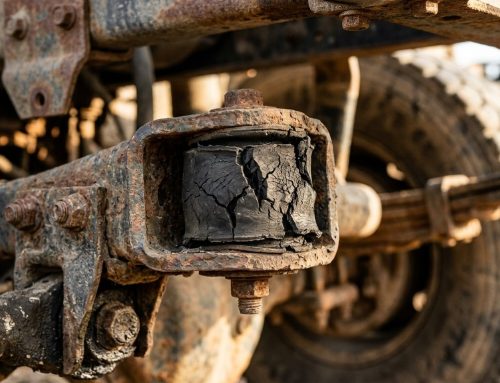
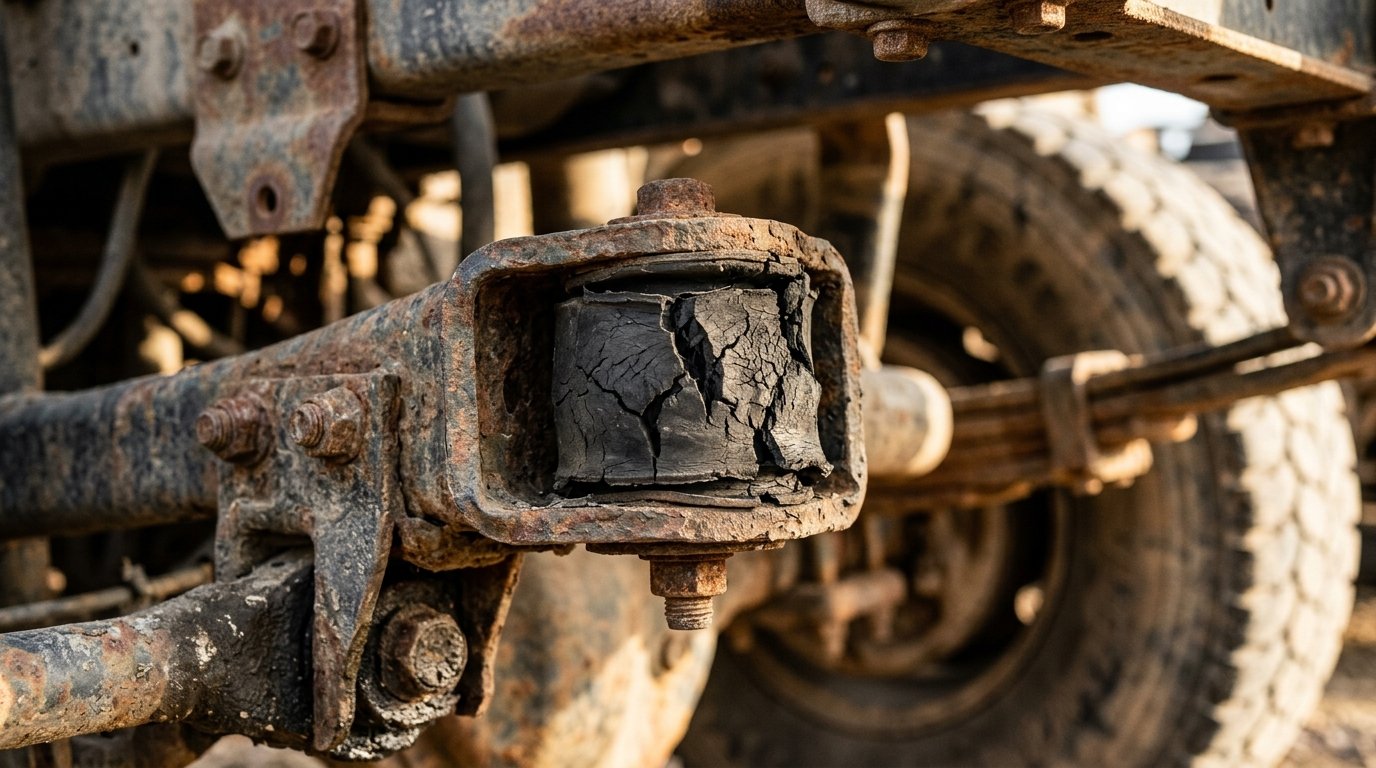
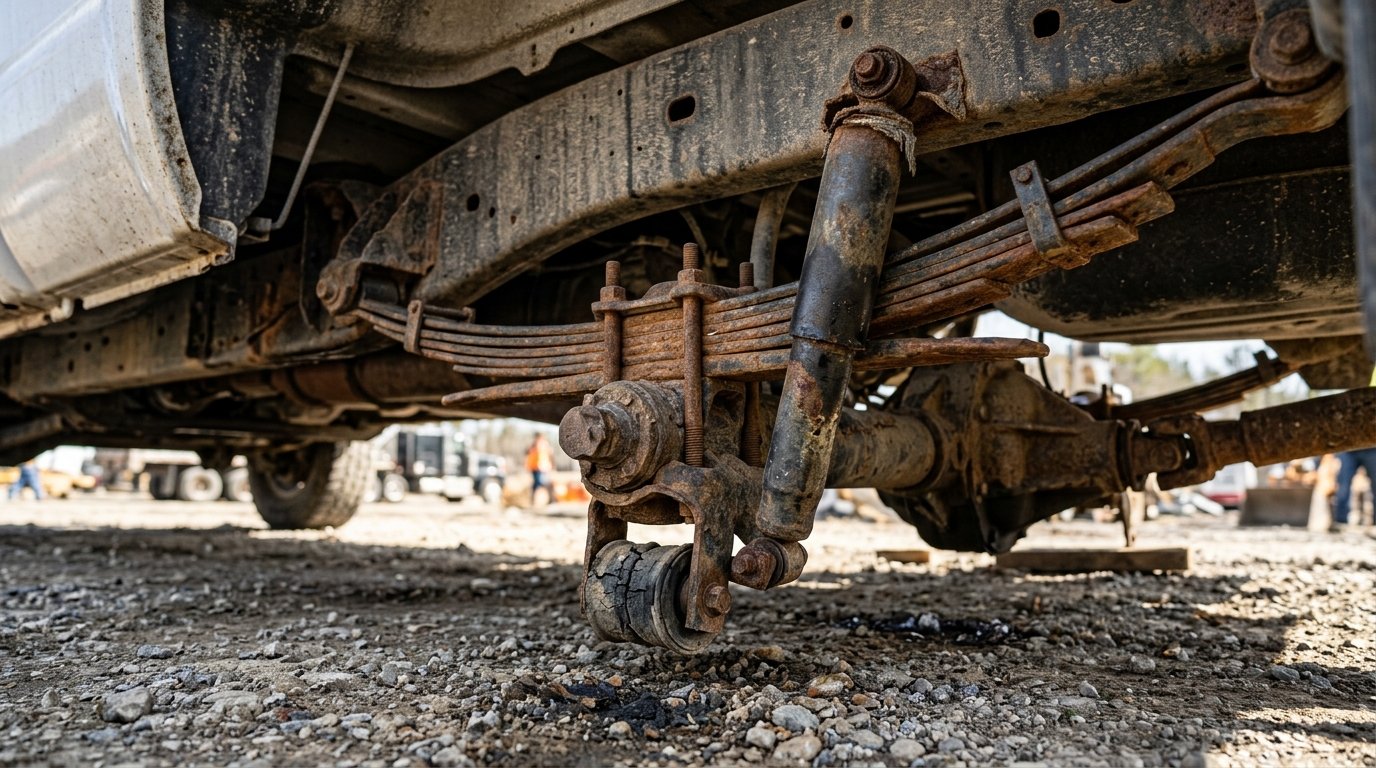
Those are classic signs that your suspension isn’t managing movement correctly. Common causes include worn shocks, fatigued leaf springs, or deteriorated bushings that let the axle shift more than it should.
Even if the truck still “drives,” that extra movement can show up as:
- Body roll on turns and ramps
- Porpoising (up-and-down motion) after dips
- Wandering that requires constant steering correction
- Increased sway when passing trucks or in crosswinds
Which Suspension Symptoms Mean You Should Stop Driving and Get It Checked?
What are the most urgent warning signs?
If you notice a sudden lean to one side, a loud clunk over bumps, steering that feels unpredictable, or a tire rubbing where it never did before, it’s time to stop and have the truck inspected. Those symptoms can indicate a broken spring, shifting axle, or loose components that can escalate quickly under load.
For many drivers, the first “quiet” clue is uneven tire wear. If you’re searching for truck alignment services because the wheel is off-center or the truck pulls, it’s smart to check suspension first—alignment won’t hold if worn parts are still moving.
Common signs of suspension trouble (even if it still drives)
- Excessive bouncing after bumps
- Bottoming out or harsh impacts on rough roads
- Steering pull, drift, or wandering
- Cupped or scalloped tire wear
- Truck sits lower in the rear or front (sagging)
- Clunks, squeaks, or rattles from the undercarriage
Suspension vs. Alignment vs. Steering: What’s the Difference?
These systems work together, so symptoms often overlap, but they’re not the same repair.
- Suspension supports the truck and controls motion (springs, shocks, bushings, hangers).
- Alignment is the adjustment of wheel angles so the truck tracks straight and tires wear evenly.
- Steering is what turns the wheels and maintains directional control.
If you suspect the issue may be steering-related—like looseness, poor return-to-center, or instability—this article on commercial truck steering repair warning signs can help you sort out what you’re feeling behind the wheel.
How Suspension Problems Destroy Tires (and Why That Gets Expensive Fast)
Tires are often the first place suspension problems show up, and they’re one of the most expensive “symptoms” to ignore. When shocks can’t control bounce, tires can develop cupping. When bushings or springs shift the axle position, you can get rapid inside or outside wear.
If you’re seeing abnormal wear, it may help to have both the tire condition and the underlying cause evaluated. Our tire services can be a practical starting point, especially when you want to match tire replacement with the suspension or alignment fix that will protect that investment.
What Causes Suspension Wear on Heavy-Duty Trucks and Work Vehicles?
Suspension components wear out faster when trucks live under real working conditions. In Central Jersey, we commonly see wear driven by:
- Frequent heavy loads or uneven loading
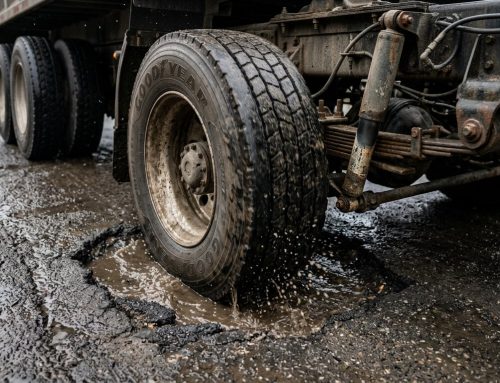
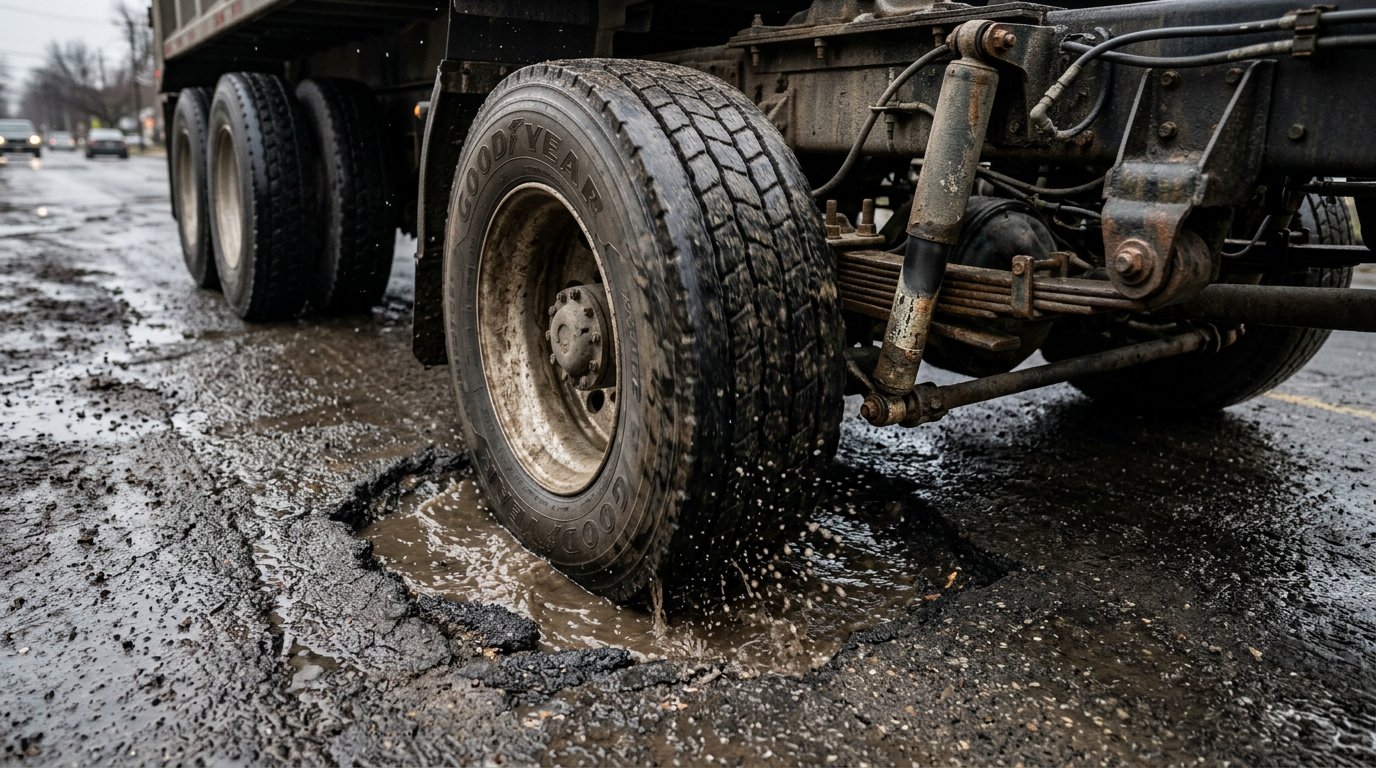
- Potholes, broken pavement, and jobsite entrances
- Salt exposure and corrosion over time
- Worn bushings from heat, age, and constant movement
- Impact damage from curbs or road debris
For fleets, small issues multiply quickly across multiple units. When downtime matters, consistent inspection intervals can help you catch failing components before they take out tires, driveline parts, or steering components.
How Do Trailers and RVs Fit Into Suspension Safety?
Suspension problems don’t stop at the truck. Trailers and RVs depend on stable suspension behavior for predictable braking and tracking—especially when you’re towing at highway speeds.
If your trailer feels like it’s bouncing, swaying, or wearing tires unevenly, it may be time for a dedicated inspection and repair plan through steering and suspension services. RV owners may also want to explore ride and stability upgrades like LiquidSpring suspension for improved control and comfort.
When Does a Lift Kit Change Suspension Wear and Alignment Needs?
Lift kits can be a great solution for clearance and capability, but they change angles and loads throughout the front end and suspension. That can mean different wear patterns and more frequent checks—especially if the truck is used for towing or jobsite travel.
If you’ve recently modified ride height (or you’re considering it), it’s worth pairing the build with correct setup and follow-up adjustments using lift kit installation and then verifying the truck tracks correctly with truck alignment services.
What to Do Next If You Suspect Suspension Trouble in Wall, NJ
Start by noting the symptoms you can consistently recreate: speed, road surface, braking, turning, and whether the truck is loaded or empty. A clear description helps shorten diagnostic time and gets you back on the road faster.
If you’re ready to address truck suspension repair in Wall, NJ with a team that works on heavy-duty, commercial, and fleet vehicles every day, contact R&H Spring and Truck Repair at 732-681-9000 or visit the contact page to discuss what you’re experiencing. You can also learn more about our background and approach on our story, and browse more maintenance tips on our blogs.
Common Questions About Truck Suspension Repair, Alignment, and Safety
How often should a heavy-duty truck suspension be inspected?
For work trucks and fleet vehicles, suspension should be inspected at regular service intervals and any time you notice new noises, pulling, or uneven tire wear. If the truck carries heavy loads or frequently drives rough roads, more frequent checks can help prevent breakdowns and protect tires and steering components.
Will an alignment fix pulling if my suspension parts are worn?
Sometimes it helps temporarily, but alignment usually won’t hold if worn suspension components allow the axle or control points to shift. The best approach is to inspect suspension and steering first, repair any worn parts, and then perform a proper alignment so the settings stay consistent and tire wear improves.
What’s the difference between shock problems and leaf spring problems?
Shocks primarily control bounce and body motion, so worn shocks often cause excessive bouncing, cupping, and poor stability. Leaf springs support weight and ride height, so problems there may show up as sagging, uneven stance, clunks, or shifting under load. Both can affect braking feel and handling on heavy trucks.
Can suspension issues cause uneven tire wear even if tread depth looks okay?
Yes. Cupping, feathering, or rapid inside/outside wear can happen even when overall tread depth still seems acceptable. Suspension movement, bushing wear, and misalignment can scrub the tire in specific spots. Catching the cause early can extend tire life and reduce the chance of a blowout under load.
Is it safe to tow a trailer if my truck suspension feels unstable?
If the truck feels unstable—swaying, bouncing, or wandering—it’s best to avoid towing until it’s inspected. Towing increases loads and magnifies handling problems, which can affect braking distance and lane control. A suspension and alignment check can confirm whether the issue is shocks, springs, bushings, or steering-related.