Preventive maintenance for trucks is one of the simplest ways to reduce breakdowns, control operating costs, and keep drivers safe. For owner-operators and fleets in Central Jersey, a consistent maintenance routine also helps protect schedules, customer commitments, and long-term vehicle value.
Below, we break down what to prioritize, how often to schedule checks, and which warning signs mean it’s time to get a truck looked at before downtime gets expensive.
What Is Preventive Maintenance for Trucks?
Preventive maintenance for trucks is a planned schedule of inspections, adjustments, fluid services, and parts replacement done before a failure happens. Instead of waiting for a breakdown, you address wear items and small issues early, when they’re faster and cheaper to fix and less likely to cause collateral damage.
For many fleets, preventive maintenance also creates better consistency: the same checks, documented at the same intervals, so nothing critical gets missed when vehicles rotate between drivers or routes.
Why Regular Preventive Maintenance Matters More for Heavy-Duty and Commercial Vehicles
Heavy-duty truck upkeep isn’t like basic car ownership. Work trucks carry weight, tow, idle, stop-and-go, and rack up hours under load. That increases heat, friction, and stress on suspension, steering, tires, and driveline components.
Regular service helps you:
- Catch unsafe wear before it becomes a roadside failure
- Reduce surprise repairs and after-hours towing
- Improve tire life and ride quality
- Protect steering and suspension parts that can fail suddenly
- Keep fleet planning predictable (labor, parts, and scheduling)
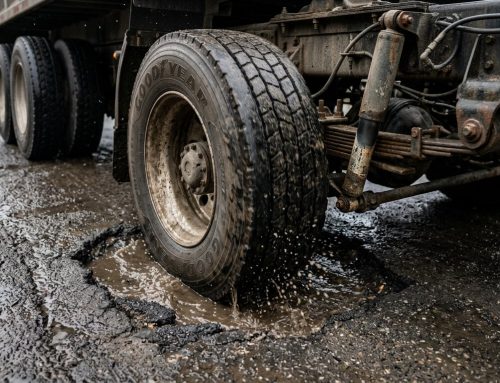
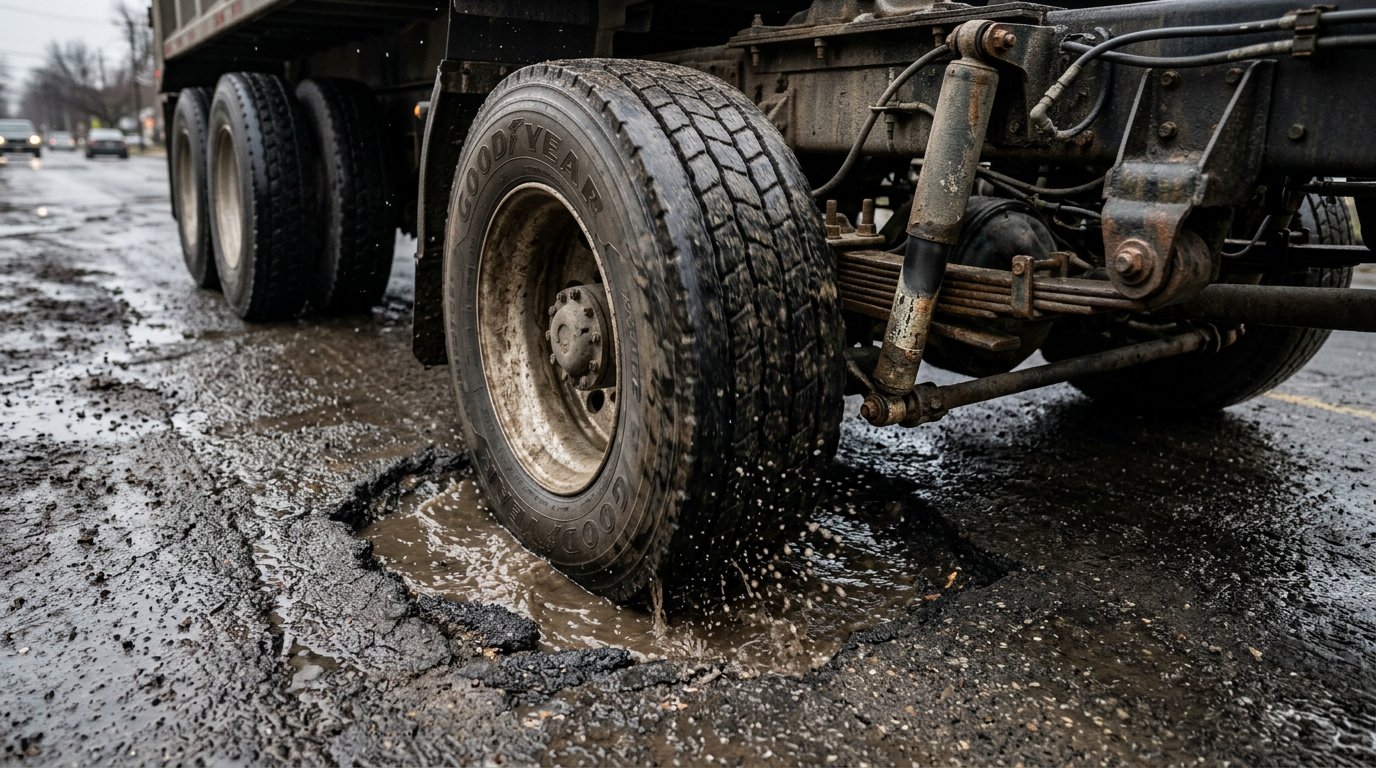
If your routes include potholes, construction zones, or frequent curb impacts, it’s especially important to keep up with checks tied to steering and suspension service and related wear items.
How Often Should You Schedule Preventive Maintenance for Trucks?
Most truck owners and fleets should schedule preventive maintenance based on mileage, engine hours, load type, and duty cycle, not just the calendar. A local dump truck, a tow vehicle, and a long-haul tractor may have very different service needs even if they’re the same model year.
A practical approach is to set inspection intervals and then adjust based on what you’re seeing in real life (tire wear patterns, brake wear rate, recurring alignment drift, fluid condition, and driver feedback).
For many operators managing truck maintenance in Wall, NJ and nearby routes, it also helps to coordinate service around predictable downtime windows so you can avoid emergency interruptions.
What Should a Fleet Preventive Maintenance Checklist Include?
For fleet maintenance in Monmouth County, NJ, a checklist works best when it’s consistent and repeatable. The exact items vary by vehicle, but most preventive maintenance programs include the categories below.
Safety and drivability checks
- Steering play, pulling, wandering, and unusual vibration
- Suspension sag, broken leafs, worn bushings, and shock condition
- Brake performance, noises, and visible wear
- Lighting, reflectors, and basic DOT-style walkaround items
Tires and alignment fundamentals
- Tread depth and uneven wear
- Proper inflation and valve condition
- Sidewall damage, punctures, and casing issues
- Alignment angles and ride height factors that influence tracking
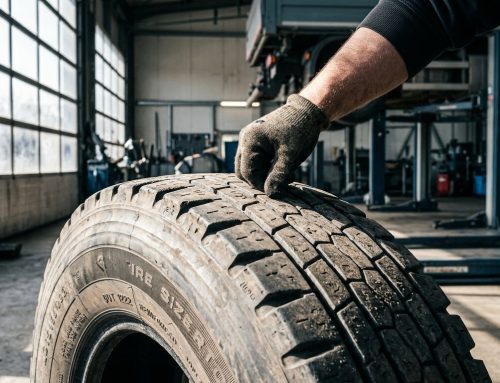
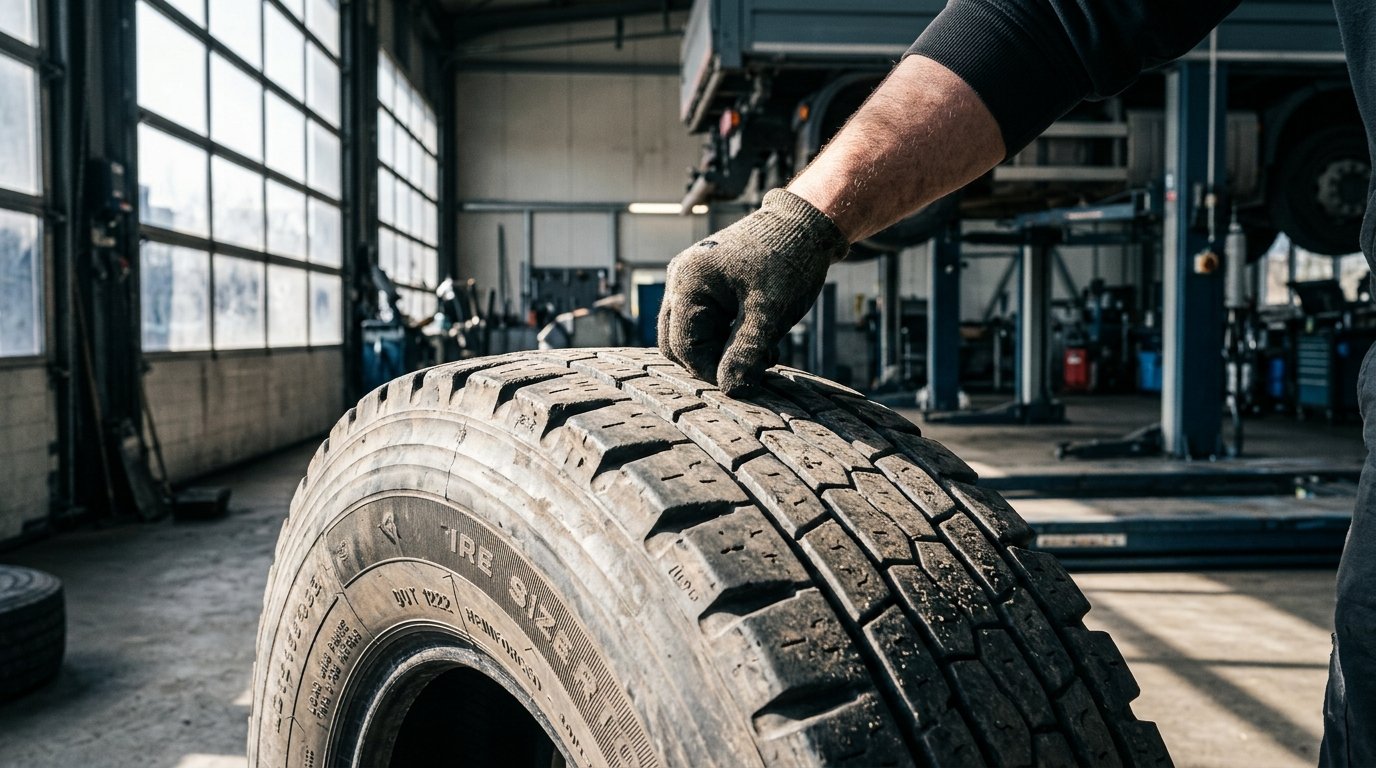
Because tires often “tell the story” of what’s happening underneath, pairing routine inspections with tire services for commercial vehicles can help you catch problems early.
If you’re seeing feathering, cupping, or rapid inner/outer edge wear, it’s worth checking truck alignment services to prevent you from burning through tires and stressing suspension components.
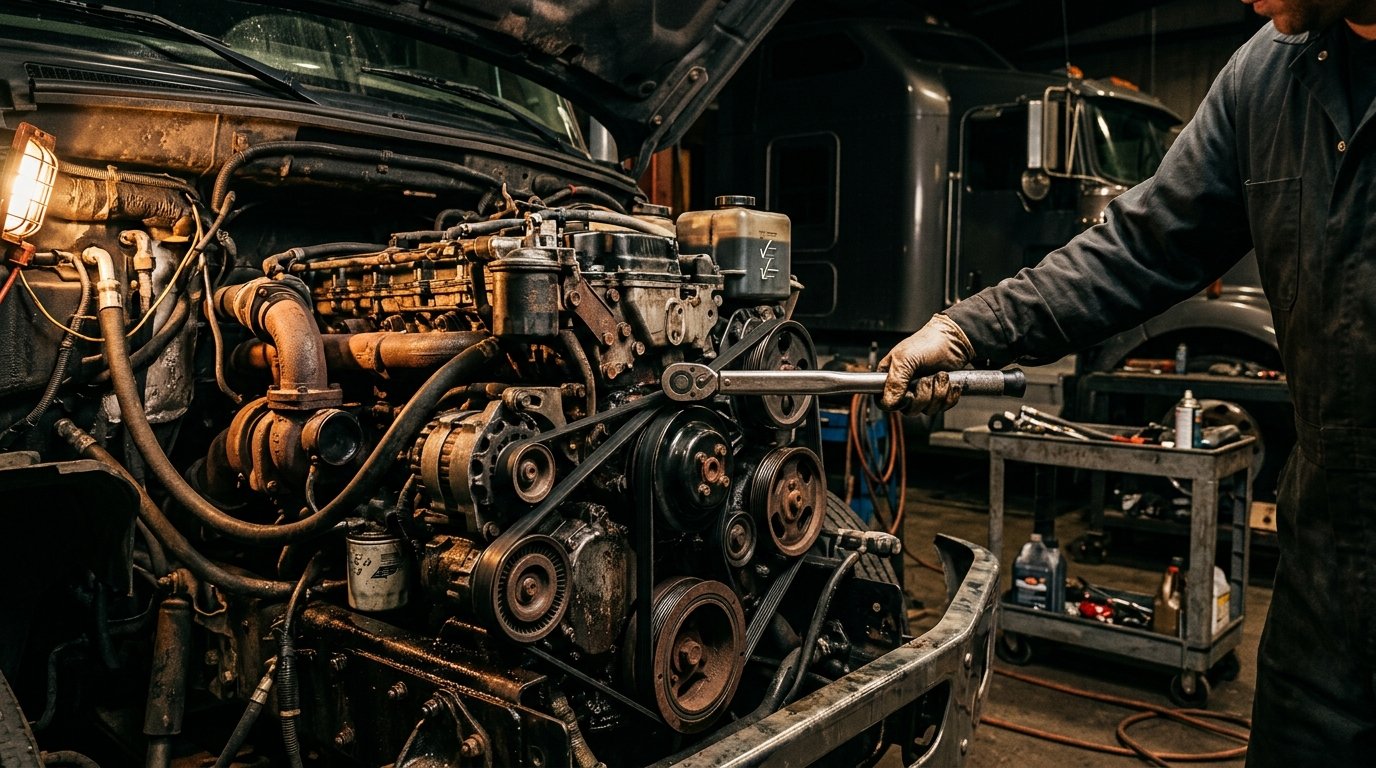
Fluids, leaks, and wear items
- Oil, coolant, and other critical fluid levels/condition
- Visible leaks around lines, fittings, and seals
- Belts, hoses, clamps, and mounting points
- Battery condition and charging system basics
What Are the Most Common Problems Preventive Maintenance Helps You Avoid?
In commercial vehicle maintenance in NJ, many “sudden” failures are actually long-developing issues that were giving clues weeks or months earlier. Preventive maintenance gives you the chance to spot those clues when the fix is still manageable.
Common problems that routine service helps prevent include:
- Steering component wear that leads to loose handling or unsafe control
- Suspension failures (including leaf spring issues) that cause instability or load shift
- Chronic vibration that accelerates wear across multiple systems
- Rapid tire wear from alignment drift or worn suspension parts
- Trailer issues that show up as uneven tire wear or poor tracking
If steering feel has changed, it’s smart to review the warning signs described in does your commercial truck need steering repair in NJ and schedule an inspection before it turns into downtime.
How Can You Tell If Your Truck Needs Service Now, Not Later?
Most drivers notice changes before a breakdown happens, but they’re easy to dismiss when you’re busy. The key is treating “new” noises and handling changes as early warnings.
What are the top warning signs of a problem?
If your truck starts pulling, steering feels loose, you notice a new vibration, or tires begin wearing unevenly, schedule service as soon as possible. Those symptoms often point to alignment, steering, suspension, or tire issues that tend to get worse quickly under load and can lead to higher repair costs and unsafe handling.
Other signs that justify moving maintenance to the top of the list:
- Clunking over bumps or when turning
- Excessive bounce, sway, or nose dive during braking
- Steering wheel off-center after driving straight
- Visible sagging, cracked bushings, or broken leaves
- Frequent tire pressure loss or sidewall damage
How Preventive Maintenance Reduces Downtime for Fleets
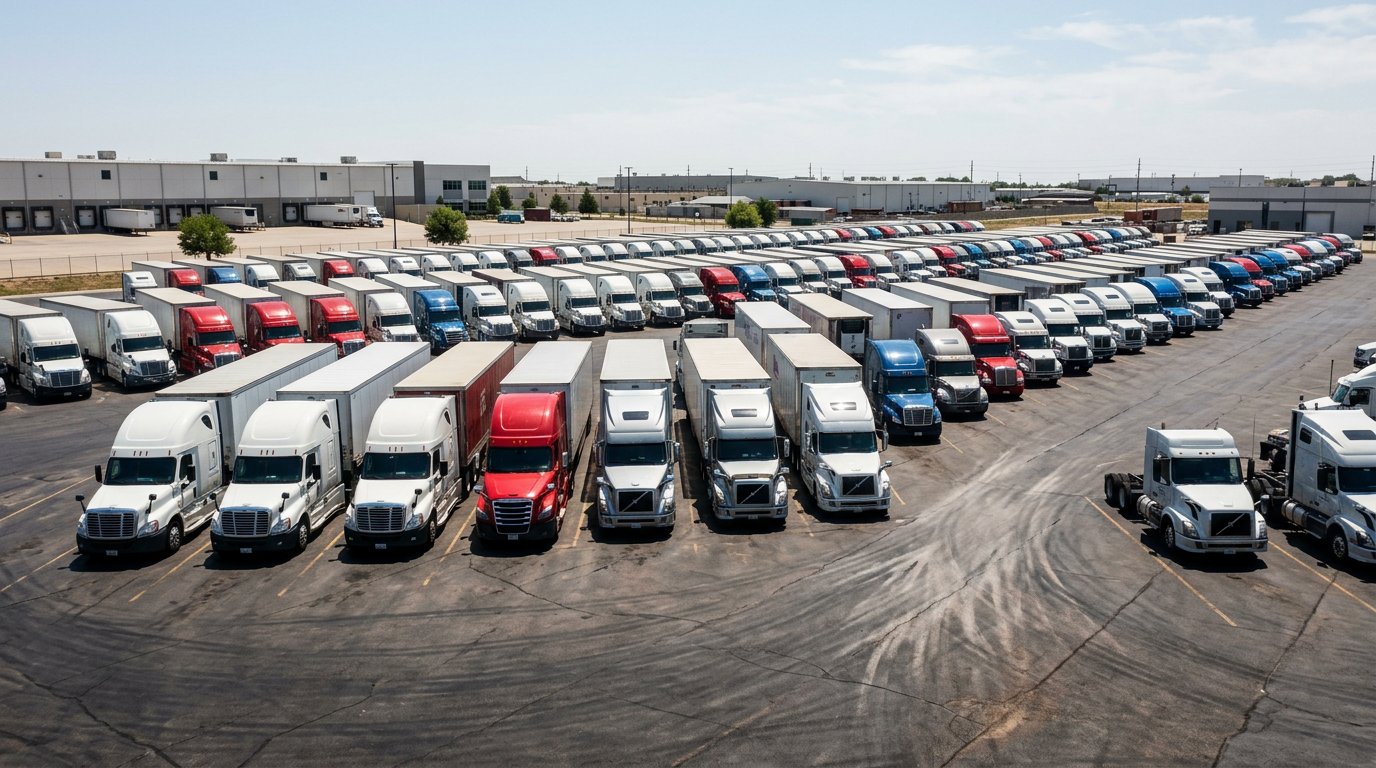
For fleets, downtime isn’t just the repair bill. It’s missed deliveries, rescheduled jobs, driver disruption, and the ripple effect across dispatch. Preventive maintenance helps because it turns unknown failures into planned work.
A few practical ways to make preventive service easier to manage:
- Standardize inspection intervals by truck class and duty cycle
- Track recurring issues by unit number (not just “this happens sometimes”)
- Bundle related services (for example, tires plus alignment when wear patterns appear)
- Keep critical wear parts available so repairs don’t stall waiting on shipments
When you need common components, having access to truck and trailer parts supply can reduce delays and help keep maintenance moving.
Where Should Truck Owners in Central Jersey Start with Preventive Maintenance?
If you’re tightening up a maintenance routine for the first time (or rebuilding one after a few tough breakdowns), start with the systems most likely to create safety risks and rapid wear: steering, suspension, alignment, and tires. These areas also tend to create visible symptoms, which makes them easier to monitor and schedule.
It can also help to understand the shop you’re working with and how they approach heavy-duty work. Learning more about our story can give you context on experience, service philosophy, and how preventive maintenance is handled for working trucks and fleets.
For additional tips and maintenance topics, you can also browse the R&H Spring and Truck Repair blog for practical, real-world guidance.
Get Ahead of Breakdowns with Preventive Maintenance for Trucks in Wall, NJ
If you manage a fleet or rely on a work truck daily, preventive maintenance is one of the best ways to protect your schedule and your budget. We recommend setting a consistent service plan, watching for early warning signs, and addressing steering, suspension, alignment, and tire concerns before they turn into downtime.
To talk through your maintenance needs or schedule an inspection, call 732-681-9000 or reach out through our contact us page. You can also visit R&H Spring and Truck Repair to learn more about our heavy-duty services and the vehicles we support in Central Jersey.
Common Questions About Preventive Maintenance for Trucks and Fleets in NJ
Is preventive maintenance for trucks worth it if the vehicle seems to run fine?
Yes. Many expensive failures start as small issues that don’t immediately affect drivability, like slow leaks, bushing wear, or alignment drift. Preventive maintenance for trucks helps you spot those early, which can reduce downtime and protect tires, suspension parts, and steering components that may otherwise fail under load.
What’s the difference between preventive maintenance and a repair?
Preventive maintenance is scheduled service meant to prevent a breakdown, such as inspections, adjustments, and replacing wear items before they fail. A repair is done after something is already broken or causing symptoms. For commercial vehicle maintenance in NJ, preventive work usually costs less and is easier to schedule than emergency repairs.
How does alignment affect heavy-duty truck upkeep?
Alignment impacts tire wear, steering feel, and how stable a truck feels under load. If alignment angles are off, tires can wear quickly and suspension parts may experience extra stress. Including alignment checks in heavy-duty truck upkeep is especially important when trucks hit potholes, carry heavy loads, or show uneven tread wear.
What are common preventive maintenance priorities for fleet maintenance in Monmouth County, NJ?
Most fleets prioritize items that cause safety issues and downtime: steering and suspension wear, tire condition, alignment, fluid leaks, and brake performance. A consistent checklist helps standardize inspections across multiple vehicles. Fleets often benefit from bundling service items during planned downtime windows to keep operations predictable.
When should I schedule truck maintenance in Wall, NJ if my truck is used daily?
If the truck is in daily service, schedule maintenance around mileage or engine hours and move it up if you notice pulling, vibration, uneven tire wear, or changes in steering response. Those symptoms can worsen quickly. Planning routine inspections helps you avoid last-minute breakdowns and keeps your work schedule on track.