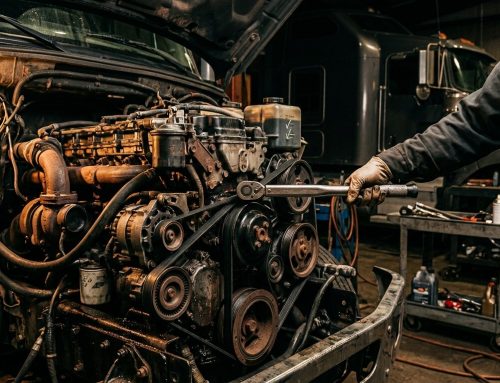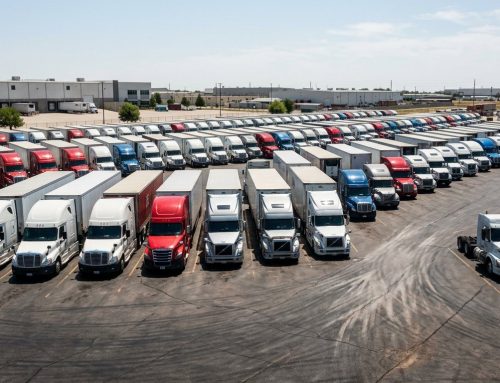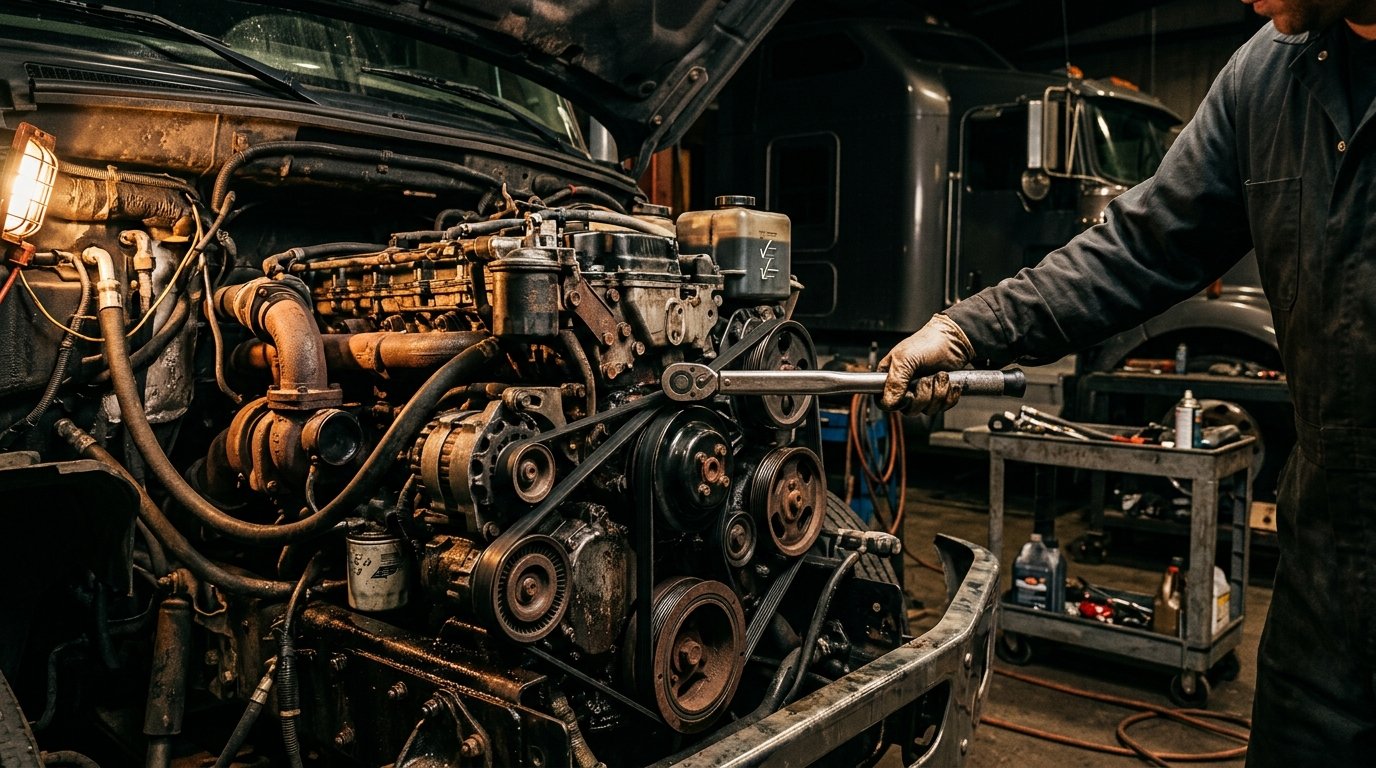
A truck maintenance schedule is only useful if it matches how your fleet really operates, not how a template says it should. Below, we’ll walk through a practical way to plan inspections, services, and repairs so your trucks stay reliable, DOT-ready, and profitable in Central Jersey.
If you manage commercial vehicles in Monmouth and Ocean County, this guide will help you build a routine your drivers will follow and your business can afford.
What makes a truck maintenance schedule work in the real world?
A workable truck maintenance schedule is one that’s simple to follow, tied to real vehicle usage, and built around the failures that actually cause downtime. It should tell you what to check, when to check it, and who is responsible, while leaving room for seasonal demands and unexpected repairs.
Before you build anything, it helps to align your plan with the systems that most often take a fleet off the road: tires, steering, suspension, alignments, and trailer components. If you’re not sure where to start, reviewing the common wear points covered in steering and suspension services can help you prioritize inspections that prevent expensive breakdowns.
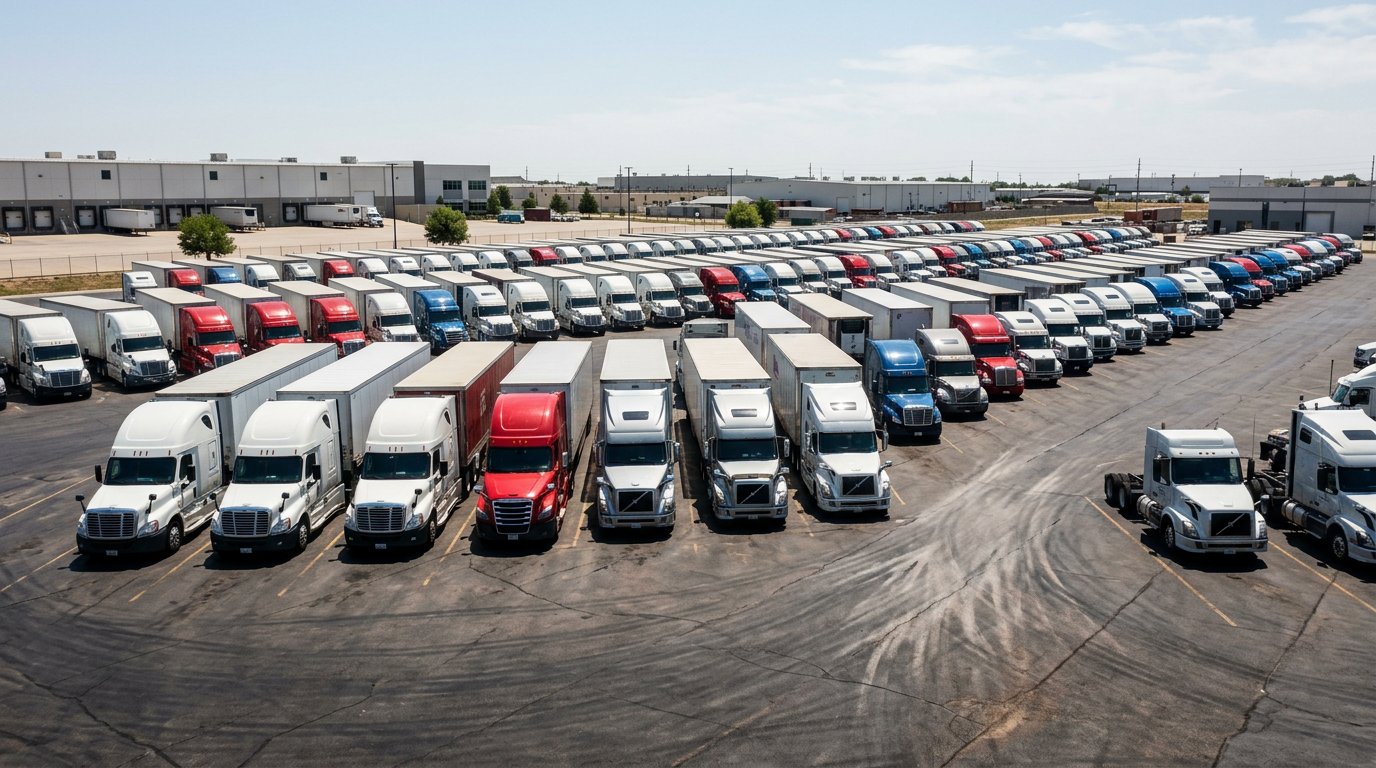
Fleet maintenance in Wall, NJ: What should your schedule include?
Fleet maintenance in Wall, NJ should include a mix of daily driver checks, short-interval preventive maintenance, and longer-interval inspections based on mileage, hours, and duty cycle. For most fleets, the schedule also needs a “repair-trigger” component: if the truck shows certain symptoms, it gets inspected immediately rather than waiting for the next interval.
A good baseline includes:
- Daily pre-trip and post-trip inspections (driver-owned)
- Weekly walkarounds for visible wear and leaks (shop or lead driver)
- PM services based on mileage/hours (oil, filters, fluids, grease points)
- Quarterly or seasonal inspections (alignment, tires, suspension, trailers)
- Annual compliance-focused checks (DOT-readiness, brake and steering systems)
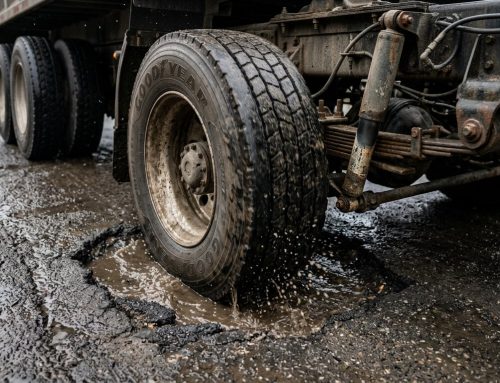
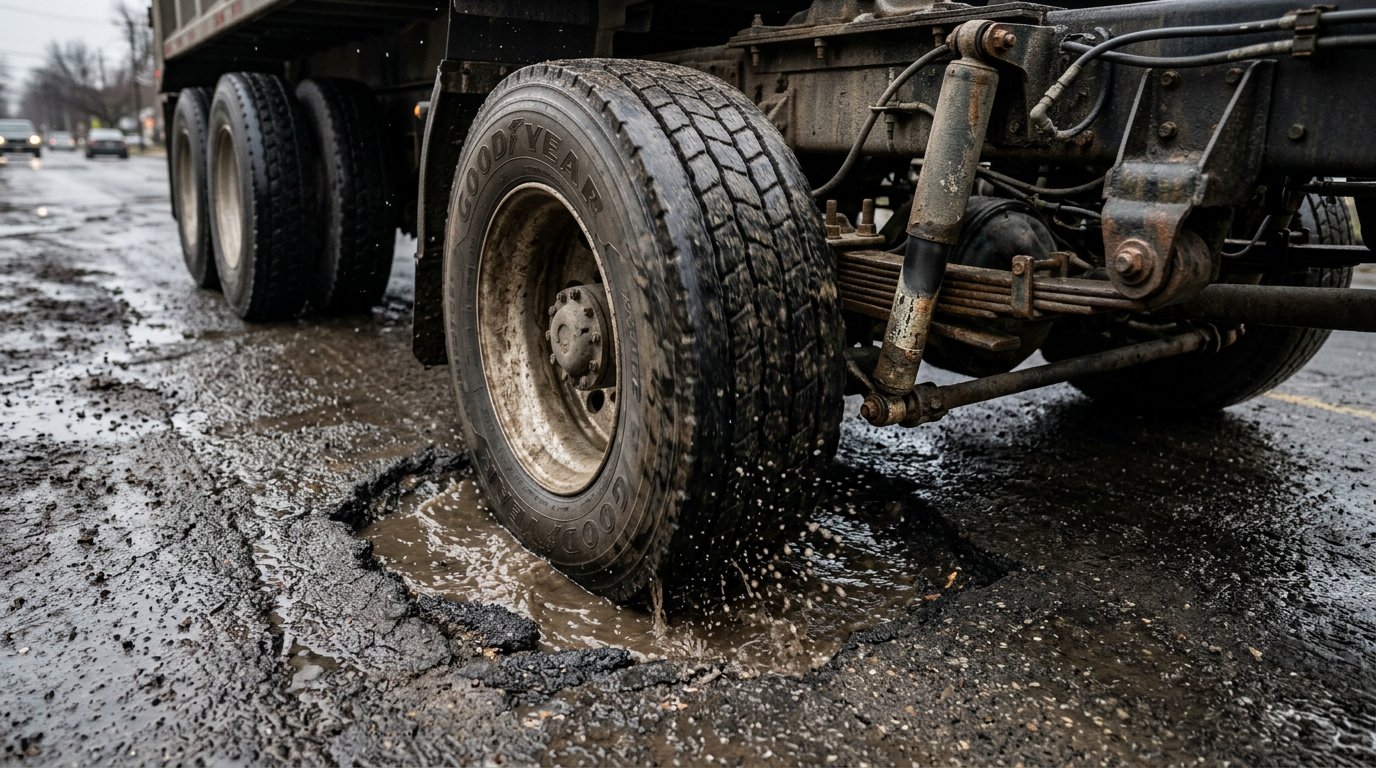
Because your operation is in Central Jersey, you’ll also want to plan for salt corrosion, pothole impacts, and seasonal tire issues. Regular truck alignment services are especially important when routes include rough roads, job sites, or frequent curb strikes.
How do you choose intervals for heavy-duty vehicle maintenance?
Heavy-duty vehicle maintenance intervals should be based on how the vehicle is used, not just the odometer. A box truck doing stop-and-go deliveries, a dump truck on job sites, and a long-haul tractor will wear components differently even at the same mileage.
Start by sorting your fleet into “use profiles”:
- High idle / PTO-heavy work (utility, refrigeration, certain vocational trucks)
- Stop-and-go delivery routes (brakes, steering, and tires take more abuse)
- Job site or off-road access (suspension, alignment, and undercarriage stress)
- Highway-heavy operations (good for engines, but watch tires and alignment wear)
Then assign intervals using three triggers:
- Mileage (example: every 5,000–15,000 miles depending on fleet standards)
- Engine hours (critical for high-idle vehicles)
- Time (monthly/quarterly for low-mileage units that still age and corrode)
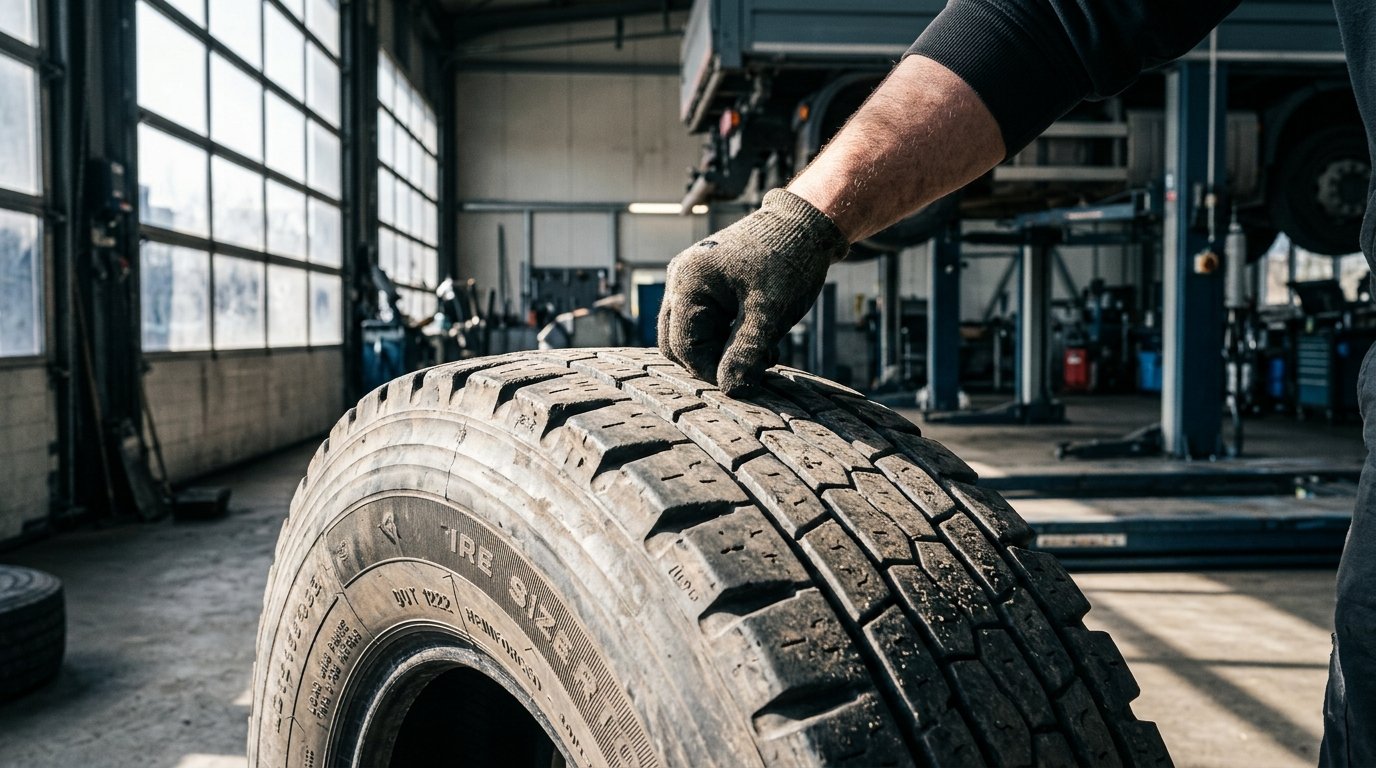
When you’re building the schedule, include targeted checks for chronic downtime items. For example, if you’ve had recurring handling issues or uneven tire wear, it’s worth combining tire rotations with inspections from your tires and tire services plan to stop problems before they become roadside calls.
Which inspections prevent the most costly commercial vehicle upkeep problems?
The most expensive commercial vehicle upkeep problems often start small: a pull in the steering wheel, a vibration, a sagging suspension corner, or a trailer that “doesn’t track right.” Catching these early usually costs far less than replacing tires prematurely, losing a day to breakdowns, or damaging other components.
Build these inspection points into your schedule:
- Steering play and response (especially after potholes or curb strikes)
- Suspension condition (leaf springs, bushings, shackles, U-bolts, mounts)
- Ride height and load handling changes (sagging, bottoming out, sway)
- Alignment indicators (uneven wear, feathering, wandering, wheel off-center)
- Trailer suspension and connection points (pins, hangers, bushings, axle alignment)
If your team needs a quick reference for symptoms, this article on whether your commercial truck needs steering repair in NJ can help drivers and managers recognize red flags early and act before the truck becomes unsafe or unreliable.
How do you keep a fleet repair plan consistent across multiple drivers?
Consistency comes from making the process easy and measurable. If your truck maintenance schedule depends on “remembering,” it will fail the moment you get busy. Instead, build repeatable routines and assign clear ownership.
Use a simple checklist system (and keep it short)
Create two checklists: a daily driver checklist and a weekly/PM checklist. Keep daily items limited to what a driver can actually verify in minutes: tires, lights, leaks, warning lights, obvious handling changes, and trailer connection checks.
Assign responsibilities clearly
- Driver: pre-trip/post-trip checks and reporting symptoms
- Fleet manager: scheduling, tracking, and approving repairs
- Shop/technician: inspections, documentation, and recommendations
Track issues by “symptom + date,” not just repair orders
When you log a complaint like “pulls right under braking” or “front end vibration at 55 mph,” you build a pattern library. That makes it easier to spot repeat failures across the fleet and tighten your preventive intervals.
When should you bring vehicles in early instead of waiting for the next scheduled service?
If a truck shows safety-related symptoms or abnormal wear, it should be inspected immediately rather than waiting for the next interval on the truck maintenance schedule. Early inspections help prevent cascading damage, reduce tire loss, and avoid roadside downtime that disrupts your entire day’s routing.
Move a vehicle up on the schedule if you notice:
- Steering looseness, drifting, or sudden changes in handling
- Clunking over bumps, new vibrations, or uneven ride height
- Rapid or uneven tire wear
- Trailer sway, poor tracking, or abnormal tire wear on an axle
- Repeated need for corrections after alignment or tire replacement
Fleets that do this well treat “early inspections” as normal preventive action, not an emergency. Over time, it reduces breakdowns and makes fleet maintenance in Wall, NJ far more predictable.
How do parts planning and stocking reduce fleet downtime?
Parts delays can turn a one-day repair into a week of lost revenue. If you run a working fleet, stocking common wear items (or at least knowing lead times) is part of your maintenance strategy.
Consider creating an “A-list” of parts that regularly take units out of service, such as certain suspension components, tires, and common trailer wear items. When it makes sense, coordinating with a reliable truck and trailer parts supply source can help you plan repairs instead of reacting to shortages.
Building your fleet schedule: a practical template you can adapt
Use this as a starting framework and adjust based on your duty cycles and breakdown history:
- Daily: driver pre-trip/post-trip checks + symptom reporting
- Weekly: visual inspection for leaks, tire wear, loose components, trailer connections
- Every PM interval: fluids, filters, lubrication points, belt/hoses, basic safety inspection
- Quarterly: alignment check indicators, steering/suspension wear check, tire rotation strategy
- Seasonal: tire condition, corrosion inspection, load-handling/ride quality review
- Annually: deeper inspection for compliance readiness and high-wear components
If your fleet includes RVs or specialty units, consider adding ride-quality and load-leveling checks. For certain applications, Liquid Spring suspension solutions can be part of an upgrade plan when the goal is improved ride control and reduced component stress over time.
Fleet repair in Monmouth County, NJ: what to do next
A solid maintenance schedule is a living system. Once it’s running, review it every quarter: what broke, what caused downtime, what wore faster than expected, and what checks caught issues early. Those feedback loops are what turn a basic truck maintenance schedule into a reliable fleet program.
If you want help tightening up your fleet maintenance in Wall, NJ or building a schedule that matches your real routes and loads, talk with the team at R&H Spring and Truck Repair. Learn more about our approach and experience on our story, browse our blogs for more fleet-focused tips, and then reach out to schedule service or discuss a maintenance plan. Call 732-681-9000 or visit the contact us page to get started.
Common Questions About Fleet Maintenance in Wall, NJ and Truck Maintenance Scheduling
How often should a truck maintenance schedule be updated?
Most fleets should review their truck maintenance schedule at least quarterly, and immediately after any repeated failure or costly downtime event. If you add new routes, change payloads, or hire new drivers, update intervals and checklists so they still reflect real-world use and responsibilities.
What’s the difference between preventive maintenance and heavy-duty vehicle maintenance?
Preventive maintenance is the routine work performed at set intervals to reduce failures, like inspections, lubrication, and scheduled services. Heavy-duty vehicle maintenance includes preventive work plus the specialized repairs and component checks common to trucks, trailers, and commercial vehicles, especially steering, suspension, tires, and alignment-related wear.
How do I know if my fleet needs more frequent alignment checks?
If you see uneven tire wear, steering pull, vibration, or driver complaints about handling, your fleet may need more frequent alignment-related inspections. Vehicles that run on job sites, rough roads, or stop-and-go routes often benefit from tighter checks to prevent premature tire replacement and steering or suspension damage.
What should be included in commercial vehicle upkeep for trailers?
Commercial vehicle upkeep for trailers should include tire condition, suspension wear, axle alignment indicators, connection points, and any signs of cracking, looseness, or abnormal tracking. Because trailer issues can hide until wear becomes severe, regular inspections help reduce roadside problems and uneven tire wear across axles.
Is fleet repair in Monmouth County, NJ better handled in-house or outsourced?
Many fleets use a hybrid approach: simple daily checks and basic tasks in-house, with specialized inspections and repairs handled by a heavy-duty shop. Outsourcing complex steering, suspension, alignment, and trailer work can reduce misdiagnosis and downtime, especially when you need consistent turnaround and dependable parts support.