Summer heat and humidity can push fleet vehicles harder than drivers realize, especially in stop-and-go routes, jobsite conditions, and long highway runs. This guide covers practical seasonal checks that help prevent breakdowns, reduce downtime, and keep your fleet dependable through the hottest months.
We’ll focus on the most common summer stress points—tires, alignment, suspension, steering, and cooling-related wear—so you can plan maintenance before small issues turn into roadside repairs.
Primary Summer Risks for Fleet Trucks in Central Jersey
Hot pavement, higher operating temperatures, and sticky humidity can expose weak components fast. Summer also tends to mean heavier loads for many contractors and delivery fleets, which compounds wear on tires, steering, and suspension.
- Tires and air pressure fluctuating with temperature swings
- Extra stress on steering and suspension components over rough roads
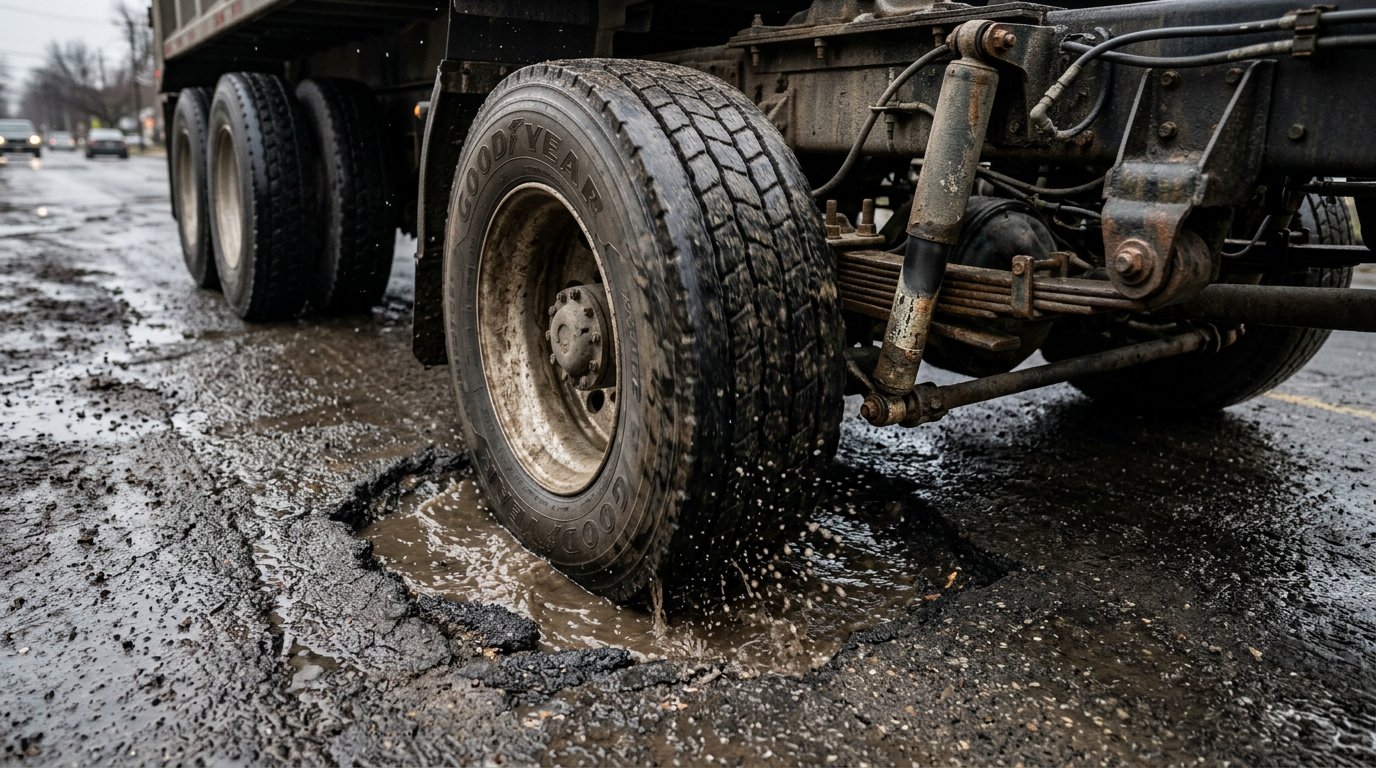
- Alignment drift from potholes, curbs, and loaded runs
- More frequent overheating symptoms and temperature-related failures
- Brake and wheel-end heat buildup during long or heavy-duty routes
How Often Should You Schedule Fleet Maintenance in Monmouth County, NJ During Summer?
For most working fleets, a summer-focused inspection every 4–6 weeks (or every 3,000–6,000 miles) is a solid baseline, with more frequent checks for severe-duty routes, heavy loads, or repeated stop-and-go driving. The goal is to catch tire wear, alignment changes, and steering/suspension play early—before a breakdown or a DOT issue forces downtime.
Start with a quick weekly yard check (tires, obvious leaks, unusual noises), then build in a more thorough shop inspection on a consistent schedule. If you’re already planning service, pairing summer inspections with truck alignment services can help keep tire wear under control.
Truck Maintenance in Wall, NJ: A Summer Checklist That Prevents Downtime
Summer truck repair often starts as “something feels off” before it becomes a no-start, a blowout, or a handling problem. A consistent checklist reduces surprises and makes repairs easier to plan.
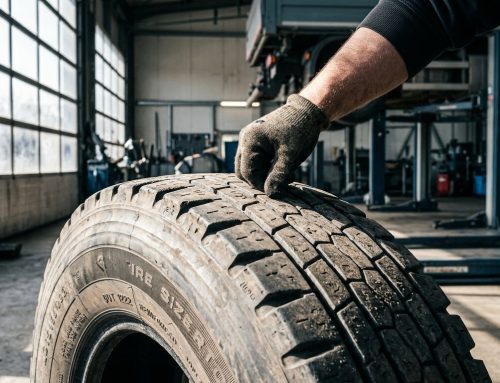
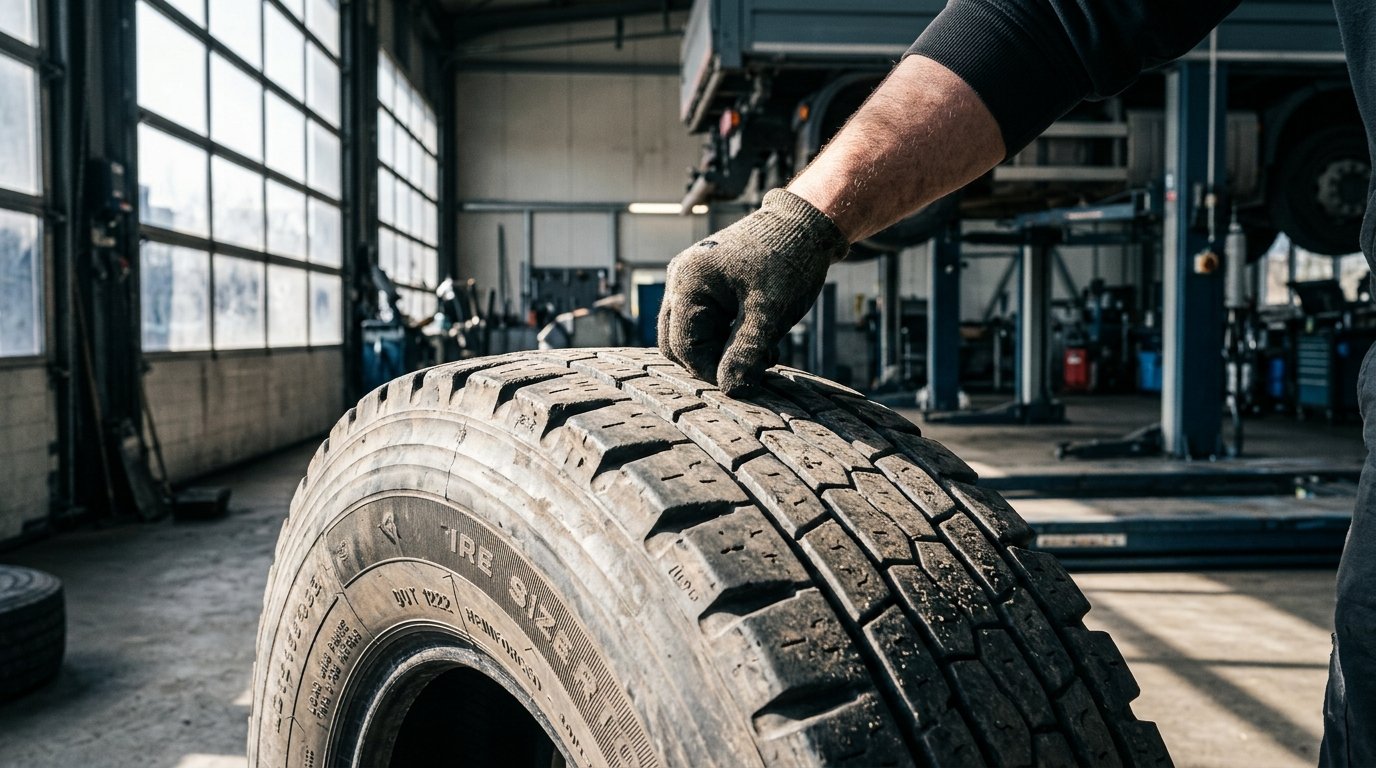
Tires: pressure, wear pattern, and heat damage
Heat increases air pressure and can accelerate wear—especially if tires are already underinflated, overloaded, or wearing unevenly. Have drivers report vibration, pulling, or a new “hum” sound right away.
- Check pressure when tires are cold (before long runs)
- Look for irregular wear (cupping, feathering, one-edge wear)
- Inspect sidewalls for cracking, bulges, or curb damage
If your fleet relies on fast tire turnaround, planning service with tire services for trucks and commercial vehicles can help you stay ahead of midsummer failures.
Alignment: keep summer miles from eating your tires
Alignment problems often show up faster in summer because routes are longer and road surfaces are hotter. Even a small alignment issue can shorten tire life and increase driver fatigue.
Common signs include steering wheel off-center, pulling to one side, and rapid wear on the inside or outside edge of steer tires. When those signs appear, prioritize professional alignments to protect tire investment and keep handling predictable.
Steering and suspension: don’t ignore play, clunks, or wander
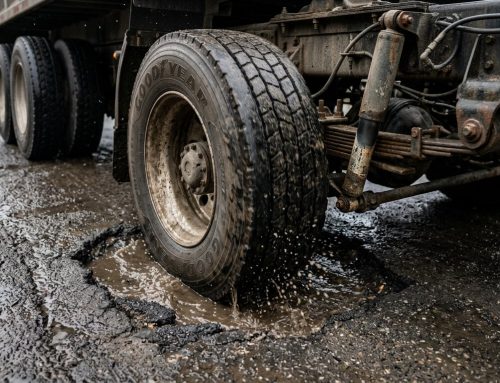
Steering and suspension components take constant hits from potholes, expansion joints, and jobsite terrain. In humid summer conditions, corrosion can also speed up wear on joints and hardware.
Steering and suspension repair is especially time-sensitive for fleets because small looseness can quickly become unsafe handling or uneven tire wear. If drivers report wandering, clunks, or delayed steering response, it’s worth reviewing steering and suspension service options and scheduling an inspection before the next heavy run.
What Causes Most Summer Truck Repair Calls for Working Fleets?
Most midsummer breakdowns come from problems that were already developing—heat simply exposes them. Tires that were marginal in spring, a slight alignment drift, or worn steering parts often become urgent in July and August.
To reduce emergency calls, focus on “early warning” items: tire wear patterns, changes in steering feel, new vibration, and any signs of suspension sag. If you’re seeing recurring steering symptoms across multiple units, the guidance in our commercial truck steering repair article can help you spot common warning signs and decide what to inspect next.
Definition: Fleet Maintenance Is a Planned System, Not a Single Service
Fleet maintenance is a scheduled approach to inspections, repairs, and parts replacement that keeps vehicles reliable, compliant, and ready for work. It includes preventative checks, fast response to driver-reported symptoms, and planning around routes and peak seasons to minimize downtime.
Heavy-Duty Truck Repair in Ocean County, NJ: Summer Stress Points for Loaded Routes
Heavier loads and longer runs magnify heat-related wear—especially on tires, alignment angles, and steering components. If your trucks are hauling more in summer, it’s smart to shorten inspection intervals and keep records on tire position and wear.
Two practical ways to reduce heat-related failures:
- Rotate and document tire positions when patterns first appear (before cords show)
- Address handling complaints immediately, since alignment and suspension problems rarely “stay the same”
When repairs do come up, having access to dependable components matters. Many fleets benefit from planning ahead with truck and trailer parts supply so common wear items don’t delay turnaround.
RV Maintenance in Central Jersey: Summer Travel Checks That Save a Trip
RVs face the same summer heat, plus long-distance travel loads and varying road conditions. If your RV is pulling, swaying, or feeling unstable at speed, suspension and steering should be checked before your next trip.
For RV owners looking for ride stability upgrades, Liquid Spring suspension solutions may be worth exploring depending on your chassis and travel needs. If your RV sits for part of the year, summer is also a good time to check tires for age-related cracking and confirm pressures before highway driving.
When Should a Fleet Manager Bring a Truck In Instead of Waiting?
Waiting usually costs more when the symptom involves safety or tire wear. If a truck is pulling, shaking, overheating, or has a new clunk or wander, bring it in promptly—those signs tend to worsen quickly in summer conditions.
- Pulling or uneven tire wear (possible alignment or steering/suspension issue)
- Vibration that changes with speed (tires, wheel-end, or suspension wear)
- Steering play, wander, or delayed response
- Repeated tire pressure loss or visible damage
- New noises under load or during turns
Keep Summer Downtime Low With a Simple Maintenance Plan
Summer heat and humidity don’t have to mean surprise repairs. A repeatable inspection schedule, fast response to driver feedback, and attention to tires, alignment, and steering/suspension can keep your fleet reliable all season.
If you want help building a summer maintenance routine or you need service now, contact R&H Spring and Truck Repair. Call 732-681-9000 or reach out through our contact us page to schedule an inspection. You can also learn more about who we are and how we work on our story, and read more practical tips on our blogs.
Common Questions About Summer Fleet Truck Maintenance in Wall, NJ
Does hot weather change the right tire pressure for fleet trucks?
Hot weather increases tire pressure as temperatures rise, but the right starting point is still the manufacturer’s recommended cold pressure. Checking tires before the route begins helps you avoid running underinflated, which creates extra heat and can accelerate wear or failure during summer hauling.
What’s the fastest way to tell if a truck needs an alignment?
Common signs include pulling left or right, an off-center steering wheel, or uneven wear on steer tires (especially one-edge wear). If a driver reports new pulling after a pothole or curb strike, it’s a good idea to schedule an alignment check before it destroys a tire set.
Why do steering and suspension problems get worse in summer?
Higher operating temperatures, heavy loads, and rough seasonal road conditions can expose wear in joints, bushings, and mounting points. Once there’s looseness, tires begin to wear faster and handling becomes less predictable, so problems that felt “minor” in spring can become urgent mid-summer.
Is RV suspension maintenance different from fleet truck maintenance?
The fundamentals are similar—tires, alignment, steering, and suspension health—but RVs often sit for longer periods and then run long highway trips. That makes pre-trip checks critical, especially for tire condition and any signs of sway, instability, or uneven ride height before you travel.
How can fleets reduce summer breakdowns without over-servicing?
Use a consistent inspection cadence and focus on high-impact items: tire condition and wear patterns, alignment symptoms, and steering/suspension play. Pair that with a clear driver reporting process so handling changes and new vibration get checked early, before they become roadside downtime.