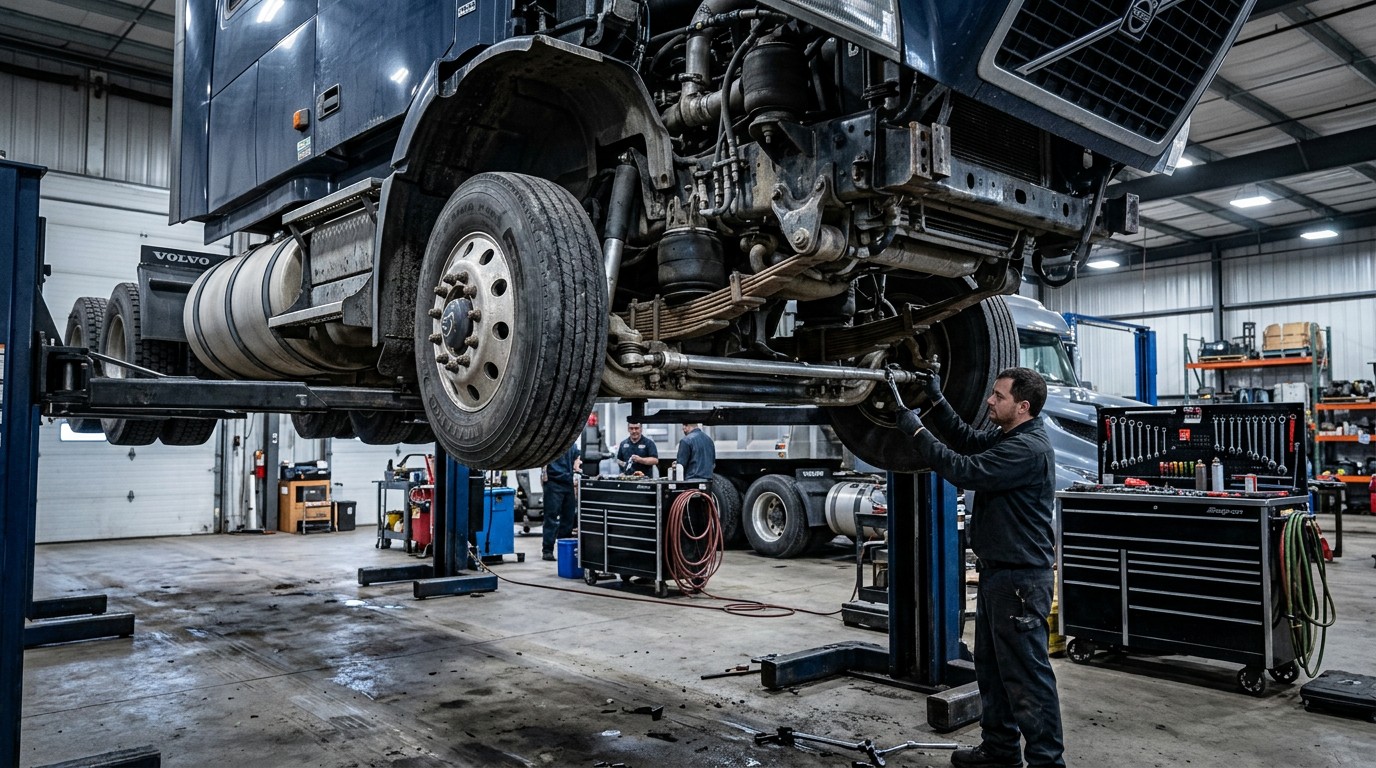
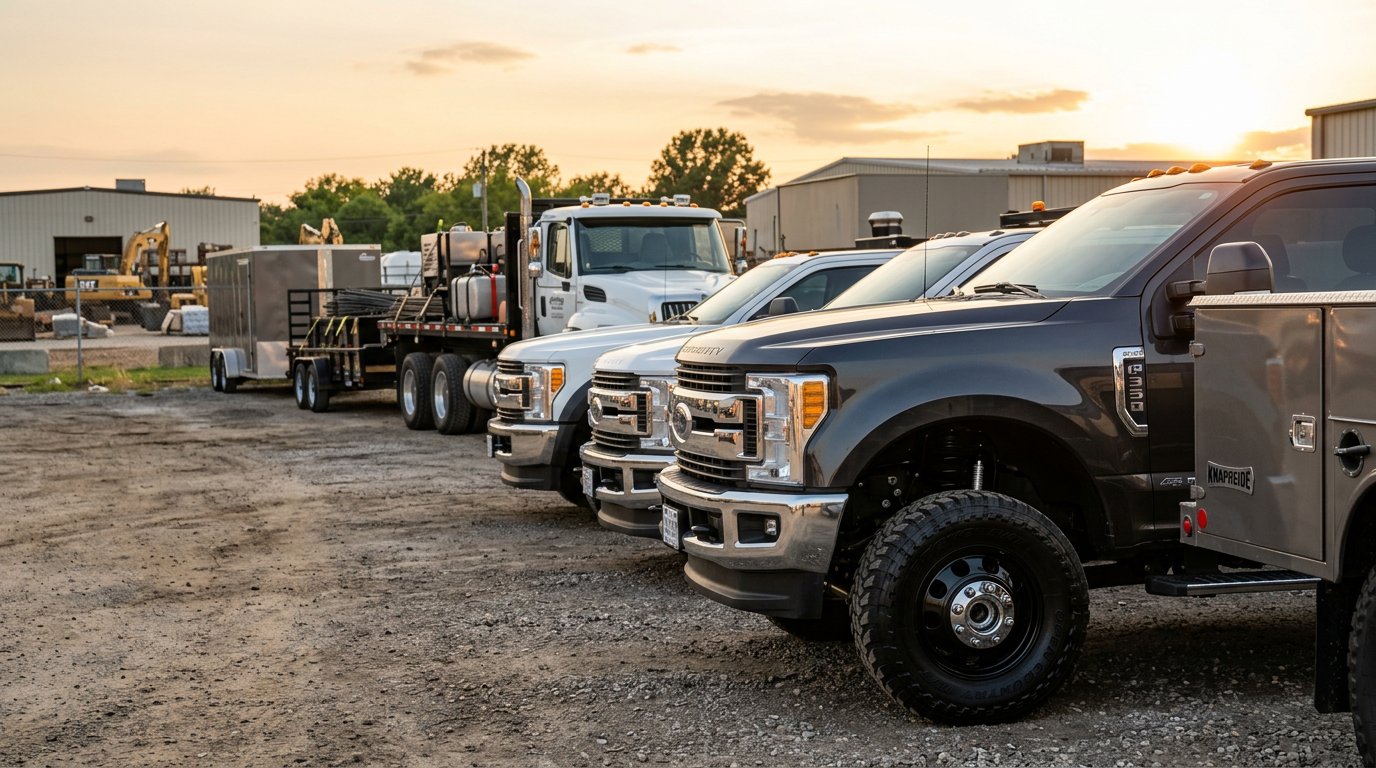
Fleet maintenance in Wall, NJ is one of the simplest ways to reduce breakdowns, protect schedules, and control operating costs—especially for contractors who depend on trucks, trailers, and service bodies every day. Below, we’ll share practical, field-tested habits you can start using now, plus what to track, when to schedule service, and how to spot small issues before they become downtime.
Why Fleet Maintenance Matters When Every Day Has A Deadline
When your crew is booked, your fleet isn’t just transportation—it’s production. A single no-start, a trailer issue, or an alignment problem can ripple through a full day (or week) of jobs.
Commercial fleets in Central Jersey also deal with rougher conditions than typical commuting: heavier loads, frequent stops, jobsite surfaces, and long idle time. That’s why pairing daily checks with scheduled shop visits is the most dependable approach for fleet maintenance in Wall, NJ.
What Is Fleet Maintenance, Exactly?
Fleet maintenance is the planned inspection, service, and repair of company vehicles to keep them safe, compliant, and reliable. It includes preventive items (like tires, alignments, and suspension checks) as well as corrective repairs (like steering, leaf springs, and trailer components) when wear or damage is found.
How Often Should Contractors Schedule Fleet Maintenance In Wall, NJ?
Most contractor fleets do best with a monthly walk-through inspection and a more detailed service interval based on mileage, engine hours, and workload. If vehicles tow frequently, haul heavy materials, or operate on uneven sites, you’ll usually want shorter intervals for tires, steering, suspension, and trailer components.
A practical rule: set a baseline schedule, then tighten it for your hardest-working units. If you’re already dealing with repeated issues, it’s often worth booking a targeted inspection with a heavy-duty shop that handles heavy-duty truck repair in Central Jersey so you can stop chasing symptoms.
Daily And Weekly Fleet Habits That Prevent Expensive Breakdowns
Small checks catch big problems early. The goal isn’t to turn drivers into mechanics—it’s to create a consistent routine that flags safety issues and prevents cascading wear.
- Walk-around before the first stop: tires, lights, leaks, loose straps, trailer coupler and safety chains.
- Listen for new noises: clunks over bumps often point to suspension wear; pulling can point to alignment or steering.
- Check tire pressure weekly (including trailer tires): underinflation generates heat and accelerates wear.
- Track loads: repeated overloads shorten spring life and can contribute to steering and tire problems.
- Keep a simple defect log: date, vehicle, symptom, and whether it got worse.
When tire wear starts looking uneven, it’s smart to schedule truck repair in Monmouth County, NJ before you burn through a full set of tires and risk a roadside failure.
What Should Be On A Contractor Fleet Preventive Maintenance Checklist?
Here’s a contractor-friendly checklist that prioritizes what commonly causes downtime in trucks, work trailers, and heavier commercial vehicles.
Suspension, steering, and alignment (your tire life depends on it)
Suspension and steering wear often shows up first as tire wear, steering wander, vibration, or a “loose” feeling. If your trucks do lots of towing or carry heavy loads, these components deserve frequent inspection.
- Inspect leaf springs, U-bolts, shackles, and bushings
- Check shocks for leaks and poor damping
- Verify steering components and front-end play
- Inspect for frame contact points and shifted ride height
- Schedule alignment when tires show feathering, cupping, or pull
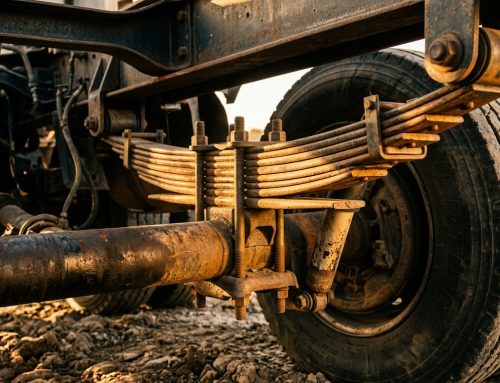
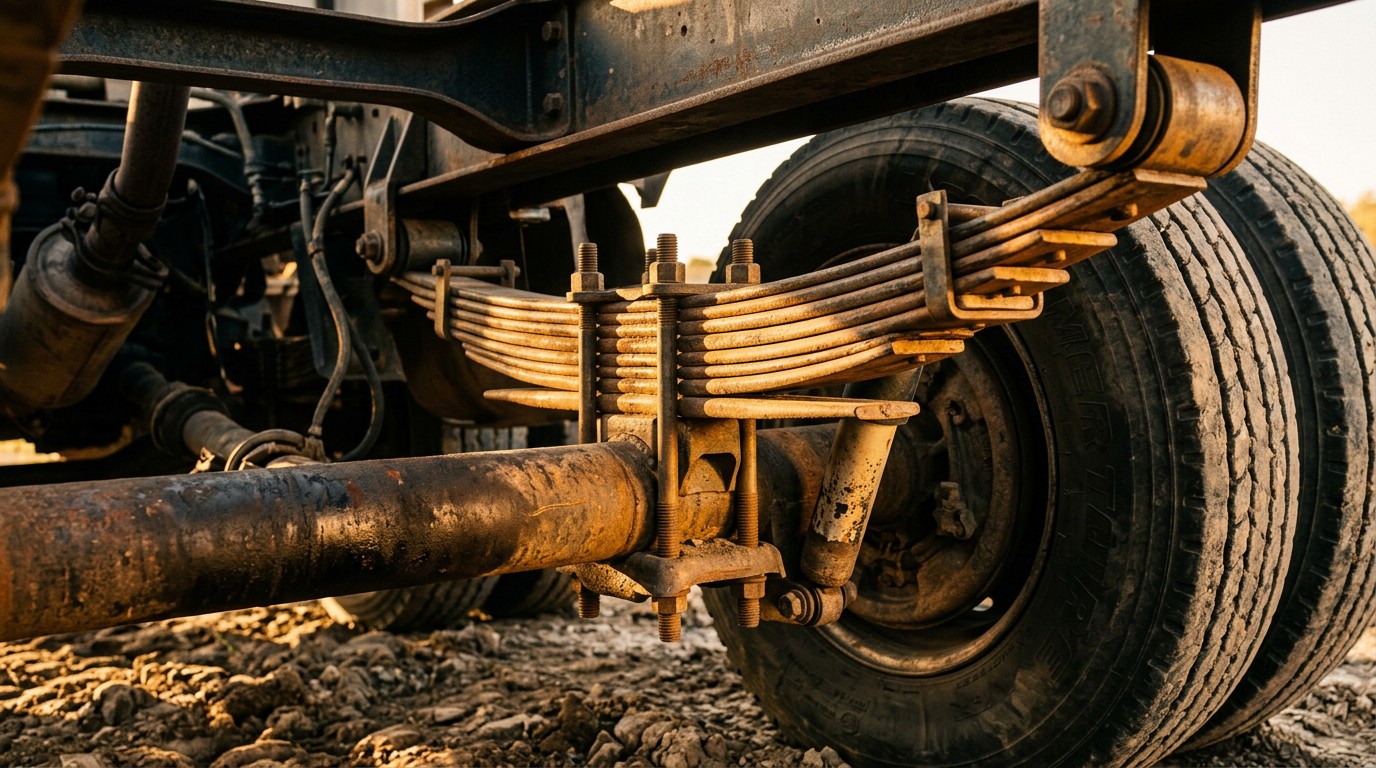
If you’re seeing recurring spring sag or cracked leaves, it’s usually time to plan leaf spring repair and a full suspension inspection rather than replacing tires repeatedly.
Tires (the cheapest “maintenance” is catching problems early)
Tires affect braking distance, handling, fuel use, and safety. Many fleets lose money here without realizing it.
- Measure tread depth on steer tires more frequently than drive tires
- Inspect for sidewall damage from curbs and jobsite debris
- Rotate where applicable and re-check balance if vibration appears
- Replace valve stems and address slow leaks promptly
When you’re setting up service intervals, bundle tire inspections with tires and tire services so you’re not reacting to blowouts or cords showing through.
Trailer checks (because the trailer can sideline the whole crew)
Contractors often maintain the truck and forget the trailer until something fails. Trailers take constant abuse: ramps, weight shifts, and rough surfaces.
- Inspect coupler, latch, chains, breakaway cable, and jack
- Check trailer tires for age cracking and uneven wear
- Inspect suspension and hangers for cracks or looseness
- Verify lighting and wiring connections
If you tow daily, building a relationship with a shop that specializes in trailer repair can prevent a small issue from turning into a failed delivery, missed inspection, or roadside delay.
What Are The Most Common Warning Signs Your Fleet Needs Service Now?
Most breakdowns don’t come out of nowhere—they build up through clear warning signs. If you train drivers and foremen to report these early, you can schedule repairs on your timeline.
Pulling, vibration, uneven tire wear, and a loose steering feel usually mean steering, suspension, or alignment issues that should be inspected soon. New clunks, sagging ride height, or bottoming out under load can point to spring or suspension wear. Trailer sway, hopping, or rapid tire wear can indicate suspension or alignment issues on the trailer side.
When those symptoms show up, don’t wait for failure—book truck alignment services and a front-end inspection so you can protect tires and keep the vehicle predictable under load.
How Can You Reduce Downtime With Smarter Maintenance Scheduling?
Downtime usually comes from two things: unclear priorities and last-minute scrambling. The fix is a simple system that makes maintenance predictable.
Build a “service window” into your calendar
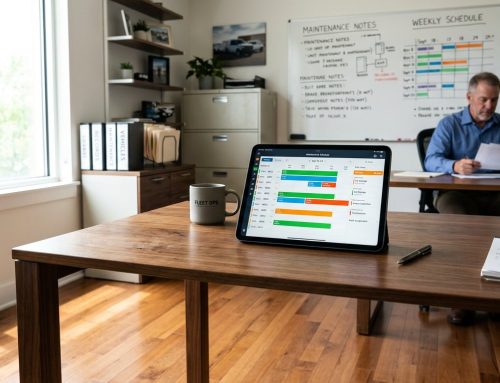
Pick a consistent day or week each month when one unit can be down for inspection. Rotate vehicles through that window so you’re not sidelining multiple crews at once.
Group work by type to cut repeat visits
If a truck is coming in for an alignment, it’s efficient to also check steering and suspension components and address tire concerns. Bundling reduces repeat trips and helps avoid situations where new tires get installed on a truck with worn components.
For businesses running mixed equipment, it also helps to use one shop capable of both truck and RV service. If you’re managing work trucks plus a personal or company RV, planning RV maintenance in Wall, NJ alongside fleet visits can keep your calendar simpler.
What Should Contractors Track For Commercial Vehicle Maintenance In Ocean County, NJ?
Commercial vehicle maintenance in Ocean County, NJ gets much easier when you track a few consistent data points. You don’t need expensive software to start—spreadsheets work fine if they’re kept up to date.
- Vehicle ID, year, make, model, and current mileage/engine hours
- Tire install date and tire brand/size per axle
- Last alignment date and reason (routine vs. tire wear/pull)
- Suspension and steering repairs (parts replaced and date)
- Trailer service history (tires, hubs, wiring, suspension)
- Recurring complaints by driver (helps diagnose patterns)
This kind of record makes it easier to spot repeat issues and decide when it’s time for targeted commercial truck repair instead of repeated small fixes.
Service Priorities For Heavy Workloads: Suspension, Steering, And Alignment
Contractor fleets in Central Jersey tend to stress the same systems: suspension, steering, and tires. Addressing these early can prevent secondary damage and keep vehicles safe when fully loaded.
If your operation includes plow setups, utility bodies, or frequent towing, you’ll often benefit from a suspension-focused inspection and a plan for repairs over the next quarter. Shops that specialize in suspension repair and steering repair can help you prioritize what’s urgent versus what can be scheduled.
And if a truck’s stance changed after an upgrade, accessory install, or heavy seasonal workload, it’s worth checking alignment right away. That’s especially true after lift kit installation, since ride height changes can impact steering angles and tire wear.
When It’s Time To Call A Shop Instead Of Handling It In-House
Basic inspections, tire pressure checks, and reporting symptoms can happen internally. But when you see uneven tire wear, steering play, suspension sag, or trailer handling problems, it’s time for a professional inspection with the right equipment.
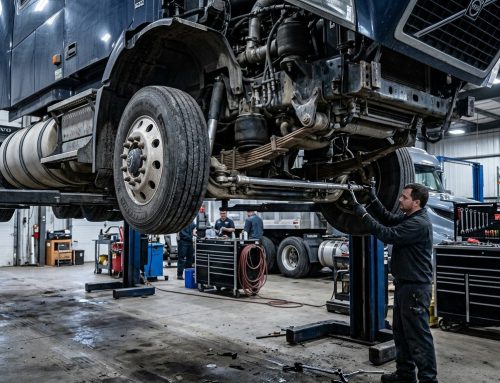
A qualified heavy-duty shop can diagnose root causes and help you plan repairs to minimize downtime—especially if you’re managing multiple vehicles and need dependable fleet truck repair support.
Keep Your Fleet Reliable And Your Schedule Intact
If you’re ready to tighten up your fleet maintenance in Wall, NJ—whether you run one work truck or a full contractor fleet—we can help you build a practical plan that fits your workload and keeps downtime to a minimum. Call R&H Spring and Truck Repair at 732-681-9000 or reach out through our contact us page to schedule an inspection or talk through what your trucks, trailers, or RVs need next.
Common Questions About Fleet Maintenance For Contractors In Central Jersey
How do I choose the right interval for fleet maintenance in Wall, NJ?
Start with manufacturer guidance, then adjust based on how you actually use the vehicle: towing frequency, average load, idle time, and jobsite conditions. Many contractor fleets benefit from monthly checks plus service based on mileage or engine hours. If tire wear or steering feel changes, schedule service sooner.
What causes uneven tire wear on work trucks?
Uneven wear is commonly caused by alignment issues, worn steering parts, or suspension problems like tired springs or bad bushings. Underinflation and overloaded conditions can make it worse. The fix is usually an inspection first, then alignment and any needed repairs before installing new tires.
Is trailer maintenance different from truck maintenance?
Yes. Trailers often need more frequent visual checks because wiring, lights, couplers, and tires take constant abuse. Trailer suspension, hangers, and tires are common failure points for contractor fleets. Regular inspections and timely trailer repairs help prevent sway, blowouts, and roadside delays.
What should I bring to a shop for commercial vehicle maintenance in Ocean County, NJ?
Bring your vehicle list (or unit numbers), current mileage/engine hours, and notes on symptoms your drivers reported. If you track tire install dates, alignment history, or recent suspension work, bring that too. A simple history helps a technician diagnose faster and recommend repairs in a logical order.
Can I combine heavy-duty truck repair in Central Jersey with preventive service?
Absolutely. In many cases, it’s more efficient to combine preventive inspections with corrective repairs so you avoid repeat trips. For example, if a truck needs an alignment, it’s smart to inspect steering and suspension at the same time, especially if the vehicle tows or carries heavy loads.